


Health Anxiety (Illness Anxiety) Treatment · Central Coast & Gosford
Evidence-based support to help you break the cycle of checking, reassurance-seeking, and “what if” thinking
Call us: (02) 4313 1656
Evidence-based support to help you break the cycle of checking, reassurance-seeking, and “what if” thinking
Health anxiety can feel relentless. A harmless sensation becomes a threat. A quick Google search becomes an hour. Reassurance helps for a moment, then the doubt comes back stronger.
Many people with health anxiety are intelligent, conscientious, and highly tuned in to their body. The problem isn’t “being anxious”; it’s that your mind has learned to treat uncertainty as danger, and it starts running the same loop:
scan → worry → check → seek reassurance → temporary relief → repeat.
If you’re stuck in that loop, therapy can help you retrain the system, reduce fear-driven behaviours (checking, reassurance, avoidance), and return to living with more calm and confidence.
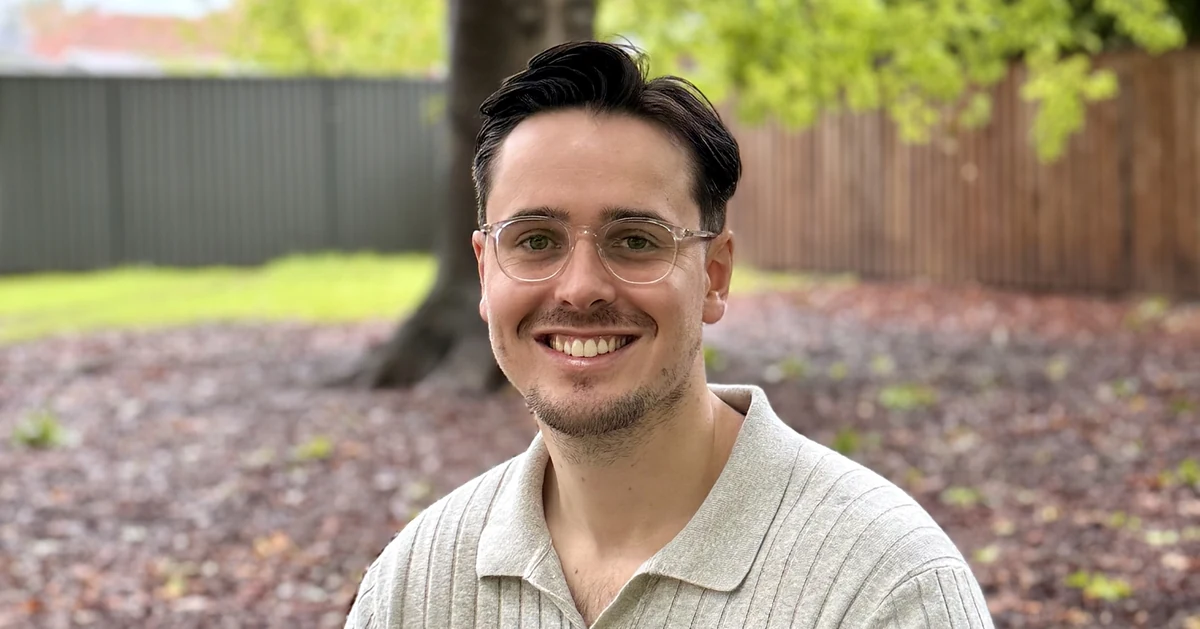
Although based in Gosford, I support adults with health anxiety from across the Central Coast using structured, evidence-based therapy.
Looking for a Central Coast psychologist generally? → Central Coast Psychologist
Prefer a Gosford-specific page? → Psychologist in Gosford
Want to learn more about me first? → About our Psychologist

Why the doubt keeps coming back
Once the mind has learned to treat uncertainty as danger, it runs the same loop every time: a sensation is read as a threat, checking brings relief, and the relief teaches the mind to check again. Tap a step to see what's happening, why it sticks, and what therapy targets.
Something ordinary shows up
A sensation, news story, memory, or 'what if' thought, often neutral or common. Once health feels high-stakes, the brain flags small cues faster, simply doing its job.
What therapy targetsRetraining where attention goes, and stepping towards the things that matter to you.
The mind supplies a scary meaning
'This could be cancer, a heart problem, something neurological.' Health anxiety runs on possibility, not probability, so 'could' gets treated like 'must respond now'.
What therapy targetsSeeing the scary meaning as a thought, not a fact, and letting 'could' stay 'could'.
The body alarm goes off
Your nervous system ramps up, and uncertainty feels urgent and hard to sit with. While certainty feels required, the body alarm keeps firing until you 'do something'.
What therapy targetsGetting used to body sensations on purpose, and practising sitting with not knowing.
Doing something to feel safe
Checking, Googling, scanning, reassurance, avoidance, 'just in case' rules. They ease distress for now, but teach the brain the threat was real and that you needed them.
What therapy targetsHolding off the checking or reassurance, and testing what actually happens when you don't.
You feel better, briefly
The relief is real, and that is what makes the loop sticky. Relief is powerful reinforcement: the brain learns 'when I check or seek reassurance, I feel better'.
What therapy targetsDelaying the check or the question, and riding the urge out until it passes on its own.
The doubt comes back stronger
Later, doubt returns: 'What if the test missed something?' 'What if I didn't check enough?' Checking blocks the lesson you need, that you can cope without certainty.
What therapy targetsLetting the doubt sit unanswered, and finding more than one way to read the same sensation.
Normal body noise becomes louder
You notice more sensations, or notice them faster. Watching closely turns up detection, and anxiety itself creates real sensations: tight chest, dizziness, tingling.
What therapy targetsScanning the body less, and letting sensations come and go without reading them as danger.
The loop gets stronger each time
A new symptom or headline lands and the whole sequence fires again, more quickly now. Each pass wires threat, checking and safety a little tighter, whatever the worry is.
What therapy targetsExpecting scares to come and go, and keeping the new habits so one bad day stays one bad day.
Health Anxiety (Illness Anxiety) Treatment in Gosford
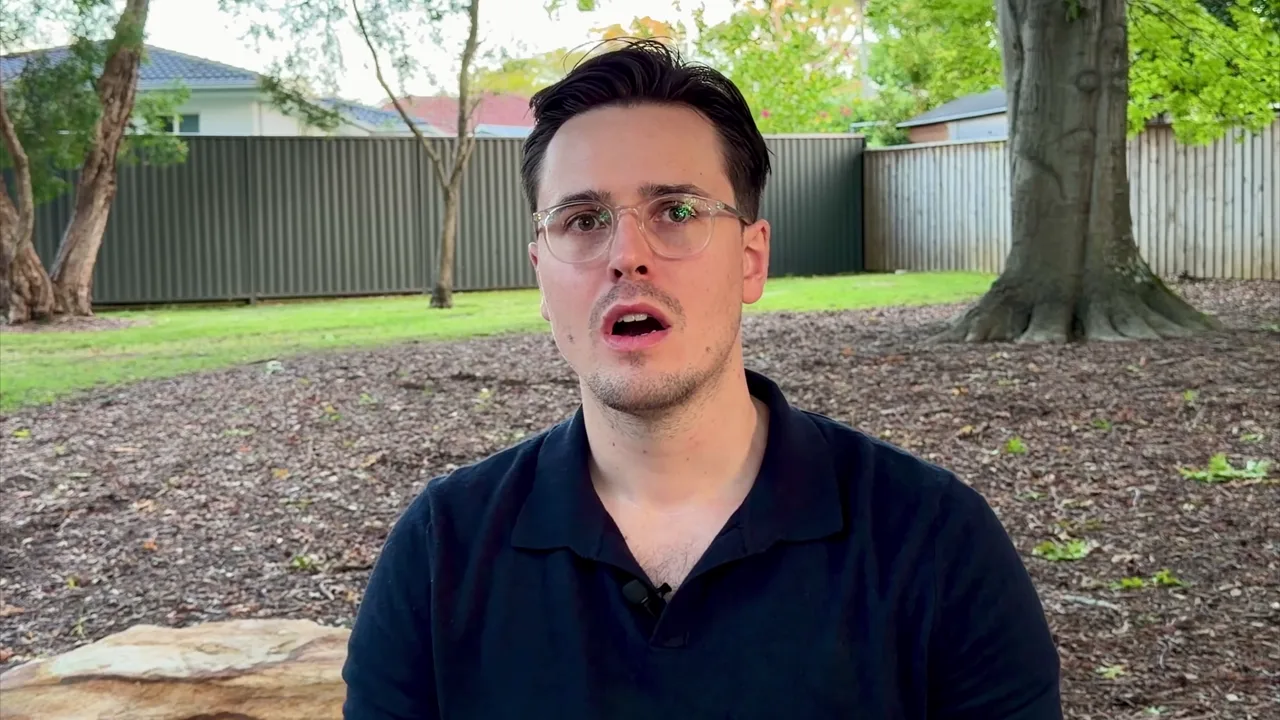
This video focuses on anxiety more broadly, but the principles described are highly relevant to health anxiety and help explain how anxiety can become self-perpetuating.
When Health Anxiety Starts Running the Show
Health anxiety (sometimes called Illness Anxiety Disorder) is one form of anxiety involving persistent fear about having or developing a serious illness, even when medical reassurance has been provided.
You may also see health anxiety referred to as “hypochondria”, an older term that many people find inaccurate or unhelpful. Today, clinicians understand health anxiety as a learned and treatable pattern involving fear, checking, reassurance-seeking, and difficulty tolerating uncertainty.
Common experiences include:
Noticing physical sensations others would ignore (tight chest, dizziness, tingling, stomach discomfort)
Interpreting normal bodily changes as signs of serious disease
Repeated Googling of symptoms (“Dr Google” spirals)
Checking behaviours (pulse, blood pressure, lumps, swallowing, breathing, skin)
Seeking reassurance (from GPs, family, friends, forums, ChatGPT)
Difficulty trusting test results (“What if they missed something?”)
Avoidance (exercise, travel, caffeine, alcohol, medical settings)
Body-scanning and hypervigilance
Temporary relief followed by anxiety returning soon after
Health anxiety is not “being dramatic” or “making it up”. The distress is real, and the cycle is very treatable with the right psychological approach.
In-person sessions are available in Gosford and Hornsby, or via telehealth across NSW and Australia.
Related support:
Supporting Clients Across the Central Coast:
Although based in Gosford, I work with adults from Terrigal, Erina, Woy Woy, Wyoming, East Gosford, Kariong, and Point Clare. Sessions are available in-person or via telehealth.
Fees & Medicare rebates → Fees & Rebates
NDIS support (Plan Managed & Self-Managed) → NDIS Psychologist

Why Health Anxiety Happens
Health anxiety is often influenced by a mix of:
A naturally sensitive threat-detection system
Past experiences with illness (your own or someone close to you)
Stress, burnout, or prolonged uncertainty
Panic-style body fear (misinterpreting adrenaline sensations) → Panic Attacks
OCD-like doubt and reassurance loops → OCD
Perfectionism or high self-expectations (“I must be 100% certain”)
Increased body focus after a scare, injury, or medical investigation
Therapy doesn’t require you to stop caring about your health. It helps you care about your health without anxiety controlling your decisions.
What We Actually Work On in Sessions
Therapy is not about endless talking or reassurance. It’s about changing the pattern.
Examples of what this can look like include:
Gradually reducing reassurance-seeking (from people, GPs, Google, or tests)
Delaying checking behaviours (e.g., waiting 20–30 minutes before checking)
Reducing body-scanning and symptom monitoring
Planned reduction or elimination of symptom Googling
Learning to stay present with bodily sensations without reacting
Practising uncertainty tolerance in daily life
Re-engaging with avoided activities (exercise, travel, social plans)
All changes are collaborative and paced, never forced.
How Therapy Helps
Understanding your cycle⌃
We map your personal health anxiety pattern so you can clearly see what triggers your worry, what keeps it going, and why it doesn’t resolve on its own.
Reducing reassurance and checking⌃
By gradually reducing safety behaviours like reassurance-seeking and checking, your brain learns that you can cope without rituals.
Building tolerance for uncertainty⌃
The goal isn’t certainty; it’s confidence in your ability to live well even when things feel uncertain.
Exposure and behavioural experiments⌃
Targeted, gradual practice allows anxiety to reduce through learning, not reassurance or avoidance.
Changing your relationship with “what if” thoughts⌃
Thoughts lose power when you stop needing to solve or neutralise them. Therapy focuses on responding differently, not thinking harder.
Rebuilding trust in your body and attention⌃
You learn to shift attention back to life rather than constant monitoring, rebuilding trust in your body and your ability to cope.
What You Can Expect in Sessions
A calm, non-judgemental space
A clear formulation of your health anxiety cycle
Practical tools you can use immediately
A structured plan to reduce checking and reassurance
Support building tolerance for sensations and uncertainty
Relapse prevention and long-term strategies
Many people notice improvement within a few weeks once safety behaviours begin to change.
Frequently Asked Questions
How do I know if it’s health anxiety or a medical problem?⌃
It’s always appropriate to discuss new, severe, or changing symptoms with your GP. Therapy does not replace medical assessment.
In sessions, we focus on the pattern of repeated worry, reassurance-seeking, and checking that keeps anxiety going, often alongside appropriate medical care.
Can health anxiety cause real physical symptoms?⌃
Yes, and this is one of the most important things to understand. When you feel anxious, the body’s stress response releases adrenaline and switches on the ‘fight or flight’ system. That produces genuinely real physical sensations: a racing or pounding heart, chest tightness, breathlessness, dizziness, stomach upset, muscle tension, tingling, and fatigue. These symptoms are not imagined, and they are not “all in your head”.
It also works the other way: noticing these sensations can increase worry, which increases the symptoms, which fuels more checking and reassurance-seeking. Importantly, therapy never assumes a symptom is “just anxiety”. New, severe, or changing physical symptoms should always be checked by your GP first. Once medical causes have been considered, therapy helps you respond to the sensations without the cycle of fear and checking taking over.
Do I need to see my GP before starting therapy?⌃
Not always. If you’ve already had medical reassurance and remain stuck in worry and checking, you can start therapy straight away.
If needed, I may suggest working alongside your GP.
Is health anxiety the same as OCD?⌃
They overlap. Both involve doubt, reassurance-seeking, and checking.
Treatment focuses on reducing compulsive behaviours and building tolerance for uncertainty, regardless of the label.
Will therapy reassure me that I’m not ill?⌃
No, and that’s important.
Reassurance strengthens the anxiety cycle. Therapy helps you stop needing reassurance in order to feel safe.
How long does treatment usually take?⌃
Many people benefit from a focused course of therapy, often 6–12 sessions, depending on severity and how entrenched checking behaviours are.
How quickly can I get an appointment?⌃
You can check live availability and book directly online, or contact us if you prefer.
Do I need a referral?⌃
No. You can self-refer and book online without a referral. A GP Mental Health Treatment Plan is only required if you’d like to claim Medicare rebates.
Does my Mental Health Treatment Plan expire?⌃
No. Your Mental Health Treatment Plan doesn’t expire, so you can start using it at any time, even if it was written a while ago. Medicare rebates are capped at 10 sessions per calendar year, and the cap resets each January. You can read more on healthdirect.
My referral is addressed to another psychologist. Is that okay?⌃
Yes, that’s completely fine.
You can still attend sessions at MindSure Psychology and claim Medicare rebates, even if the referral is addressed to a different psychologist or practice.
Do you offer telehealth?⌃
Yes. Telehealth is highly effective for health anxiety.
Are sessions confidential?⌃
Yes, with the usual legal and ethical exceptions.
How do I make my first appointment?⌃
You can book online, call (02) 4313 1656, or email [email protected] directly.
Have a question that isn’t covered here? See our full FAQs.
How I Provide Support at MindSure Psychology
My work is structured, practical, and evidence-based, drawing primarily from:
Exposure-based strategies (particularly reducing checking and reassurance in a planned way)
If you value clarity, structure, and practical tools, this approach often fits well.
Many of my clients with health anxiety are men (though I work with adults of all genders). If you’re specifically looking for a male psychologist, you can learn more here:
→ Male Psychologist on the Central Coast

Health Anxiety Treatment in Gosford: Start Here
If health anxiety is affecting your sleep (including ongoing insomnia), concentration, relationships, or quality of life, support can help you break the cycle and feel more in control.