


Practical, paced therapy
for phobias and specific fears
Evidence-based phobia treatment in Gosford & Hornsby: structured, gradual, and only ever at a pace that feels manageable. In-person or via telehealth.
Evidence-based phobia treatment in Gosford & Hornsby: structured, gradual, and only ever at a pace that feels manageable. In-person or via telehealth.




A practical, evidence-based way to work through phobias
A phobia has a way of quietly reshaping life. You know the fear is out of proportion, and yet the reaction is instant, physical, and completely beyond logic. Needles, flights, heights, driving, medical procedures, enclosed spaces. Whatever the trigger, the pattern is the same: a sharp fear response, a strong urge to avoid, and a quiet shrinking of what you'll let yourself do.
The good news is that specific phobias are among the most treatable anxiety conditions. With the right structured approach, most people see meaningful and lasting change, often more quickly than they expected.
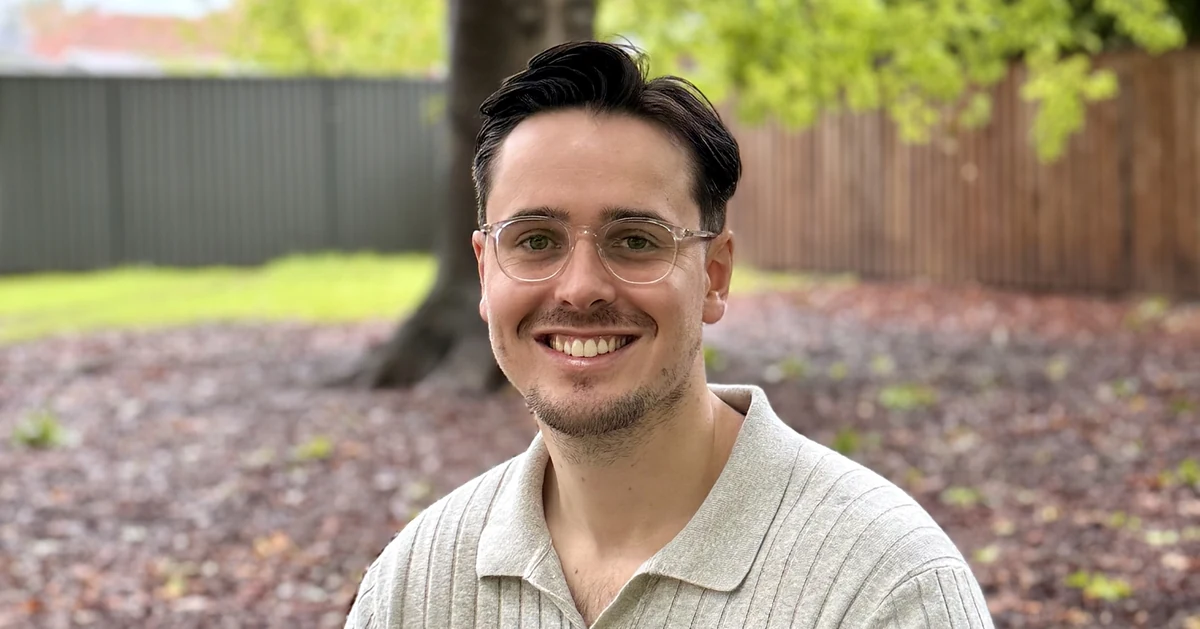
At MindSure Psychology, I'm James Wightman, a registered psychologist providing phobia treatment to adults from across the Central Coast, including Erina, Terrigal, Woy Woy, Wyoming, Kariong, Narara, and surrounding suburbs. Sessions are available in-person in Gosford, in Hornsby, or via telehealth anywhere in Australia.
The approach is collaborative, paced, and structured, with a clear focus on helping you face feared situations gradually and safely, not through willpower or force.
Ready to start? You can book online, or view Fees & Rebates for Medicare rebate information.

You can book online in under 2 minutes, or call if you'd prefer.
Check availability →Why avoidance feels helpful, and why it keeps phobias alive
Phobias are maintained by a specific cycle: fear spike → avoidance → short-term relief → stronger fear next time. It's the same pattern whether you're afraid of flying, needles, driving, or enclosed spaces. Tap a step to see what's happening, why it sticks, and what therapy targets.
The feared cue appears
A needle, a flight, a lift, a spider: meeting the feared thing, or just picturing it, is enough. The brain spots the cue faster than thought, so logic arrives too late.
What therapy targetsMapping your triggers and the pattern around them, so the reaction stops feeling random.
The body reacts before you think
Heart racing, chest tight, legs unsteady: the fear system has decided this is dangerous. A false alarm, but it feels identical to real danger, so reasoning rarely works.
What therapy targetsSettling the body with practical tools, and learning the surge is a false alarm, not danger.
The urge to escape
Thoughts narrow to one idea: stop this now. The brain writes its strongest memory of danger at the peak, so staying, even briefly, is what teaches it the opposite.
What therapy targetsLearning to ride out the peak in planned, paced steps, so it stops predicting catastrophe.
You leave, cancel, or never engage
You skip the flight, take the long route, or quietly decline. The threat drops away, and each escape tells the brain you were only safe because you avoided it.
What therapy targetsApproaching the feared situation in graded steps you agree to, instead of escaping it.
The dread lifts, for today
The fear drops, and you feel shaky but relieved. That relief is a powerful reward: to the nervous system, avoiding now means safety, so next time the urge comes sooner.
What therapy targetsLetting the fear settle on its own, so the brain learns safety without the escape.
The brain learns the wrong lesson
Every escape trains the fear: the same trigger sets off a faster, bigger reaction, and more situations feel off-limits, even while avoiding feels like 'managing' it.
What therapy targetsGiving the brain new experiences that update the fear, so the reaction can fade.
Fear arrives earlier
Dread starts days or weeks ahead: route-planning, over-preparing, lying awake. The body stays alert long before the trigger, and the planning becomes its own avoidance.
What therapy targetsWorking on the worry itself, and testing predictions against what actually happens.
The fear spreads
A fear of driving becomes avoiding highways, then main roads, then anywhere unfamiliar. The 'specific' fear stops being specific, and starts to shape how you live.
What therapy targetsReclaiming the plans and choices the fear had taken, guided by what matters to you.
Why phobias are harder to shift than they should be
Phobias aren't a character flaw or a failure of willpower. They're a learned fear response, one that gets reinforced by specific, reversible patterns:
- 1Avoidance feels like relief, but trains the fearEvery time you avoid the situation, your brain treats the escape as evidence it was genuinely dangerous. Relief now, stronger fear later.
- 2"Just in case" rules quietly shrink your worldPlanning around the fear (the long way home, the seat near the exit, the specific dentist) starts as coping and ends as a cage.
- 3The body responds faster than the mindThe fear system fires before reasoning can catch up, which is why logic and self-talk rarely work in the moment.
- 4Every avoided situation becomes "proof" the fear was rightWithout new experiences to disprove it, the brain never gets the chance to update. The fear stays exactly as it was, sometimes for decades.
Therapy works by carefully reversing these patterns: not through willpower, but by giving your brain the kind of new experiences that actually update the fear response.
How a phobia actually shows up
A phobic reaction can range from mild discomfort to full-blown panic. Common signs include:
The different shapes phobias take
Treatment is tailored to how your specific fear actually operates. Tap any area to learn more.
Fear of flying (aviophobia)
Anxiety before, during, or after flights, often involving turbulence fears, claustrophobia in the cabin, panic attacks on board, or avoidance of air travel altogether. Sometimes linked to a specific incident; sometimes developed gradually.
- Turbulence
- Cabin claustrophobia
- Panic on board
- Pre-flight dread
Needles, blood & medical procedures
Intense fear of injections, blood tests, cannulas, IVs, or medical procedures. Often involves faintness, nausea, or physical shutdown (blood–injection–injury response). Many people avoid necessary healthcare for years.
- Injections & vaccines
- Blood tests
- IVs & cannulas
- Fainting response
Driving, highways, bridges & tunnels
Fear of driving in certain conditions: highways, heavy traffic, bridges, tunnels, or unfamiliar areas. Can develop after an accident, or build gradually. Often leads to long detours, refusing to drive at all, or relying on others.
- Highways & freeways
- Bridges & tunnels
- Post-accident fear
- Driving alone
Heights (acrophobia)
Intense fear of elevated positions: balconies, cliffs, bridges, ladders, tall buildings, even escalators. Often involves a visceral sense of being pulled toward the edge, dizziness, or freezing.
- Balconies & lookouts
- Bridges & cliffs
- Ladders & escalators
- Glass floors
Enclosed spaces (claustrophobia)
Fear of lifts, MRI scanners, small rooms, aircraft cabins, crowded spaces, or anywhere you can't quickly leave. Often linked to panic attacks and a strong need for "escape routes" to feel safe.
- Lifts & elevators
- MRI scans
- Small rooms
- Crowded spaces
Animals & insects
Strong fear of specific animals or insects: most commonly spiders, snakes, dogs, birds, rodents, cockroaches, or bees. Often includes avoidance of parks, camping, or homes where the animal might be present.
- Spiders
- Dogs
- Snakes
- Birds & insects
Fear of vomiting (emetophobia)
Intense fear of vomiting, either yourself or others. Can significantly narrow food choices, social plans, travel, pregnancy, or being around children. Often misdiagnosed as "fussy eating" or general anxiety for years.
- Restrictive eating
- Avoiding crowds
- Travel anxiety
- Health checking
Dental phobia
Fear of dentists, drills, dental procedures, or pain. Often leads to years of avoidance and significant dental consequences. Frequently originates from a difficult childhood procedure or a negative earlier experience.
- Dentist avoidance
- Drills & sounds
- Numbing injections
- Gag reflex
Other specific phobias
Phobias can attach to almost anything. Less-often-talked-about fears (storms, swimming, deep water, choking, public vomiting, public transport, thunder, balloons popping, specific foods) all respond to the same structured treatment.
- Storms & thunder
- Water & swimming
- Choking
- Specific foods
Not sure what type, or a mix
It's common to have more than one fear, or for a specific phobia to sit alongside generalised anxiety, panic, or trauma. The first session helps make sense of what's going on, so treatment is tailored properly. You don't need a label to start.
Evidence-based approaches, matched to your fear
Treatment is collaborative and paced; you'll never be pushed into exposure before you're ready. Most phobias respond well to one or a combination of the following. Tap any to learn more.
CBTGold-standard treatment for specific phobias. Combines understanding with structured, paced exposure.
Cognitive Behavioural Therapy is the most-studied and most-effective treatment for specific phobias. It helps you understand how the phobia is maintained, challenge catastrophic predictions, and build confidence through gradual, supported exposure.
Exposure is always planned collaboratively, starting with small, achievable steps and moving forward only when you feel ready. Nothing happens without your informed agreement.
Read more about CBT · What exposure therapy actually involves
ACTFor when fear's sensations feel overwhelming. Builds flexibility around thoughts and body reactions.
Acceptance and Commitment Therapy helps you respond more flexibly to anxious thoughts and physical sensations, rather than battling them. It's especially useful when the sensations themselves (fast heart, dizziness, nausea) have become part of what you fear.
ACT focuses on reconnecting with the goals and activities that matter to you, so fear stops being the thing that decides what your life looks like.
EMDRWhen a phobia began with a specific difficult event. Reprocesses the memory driving the fear today.
Eye Movement Desensitisation and Reprocessing (EMDR) can be especially effective when a phobia traces back to a specific event: a traumatic flight, a medical incident, a dog attack, a painful procedure, or a frightening experience in childhood.
By reprocessing the underlying memory, the fear response in the present can reduce significantly, often in fewer sessions than people expect.
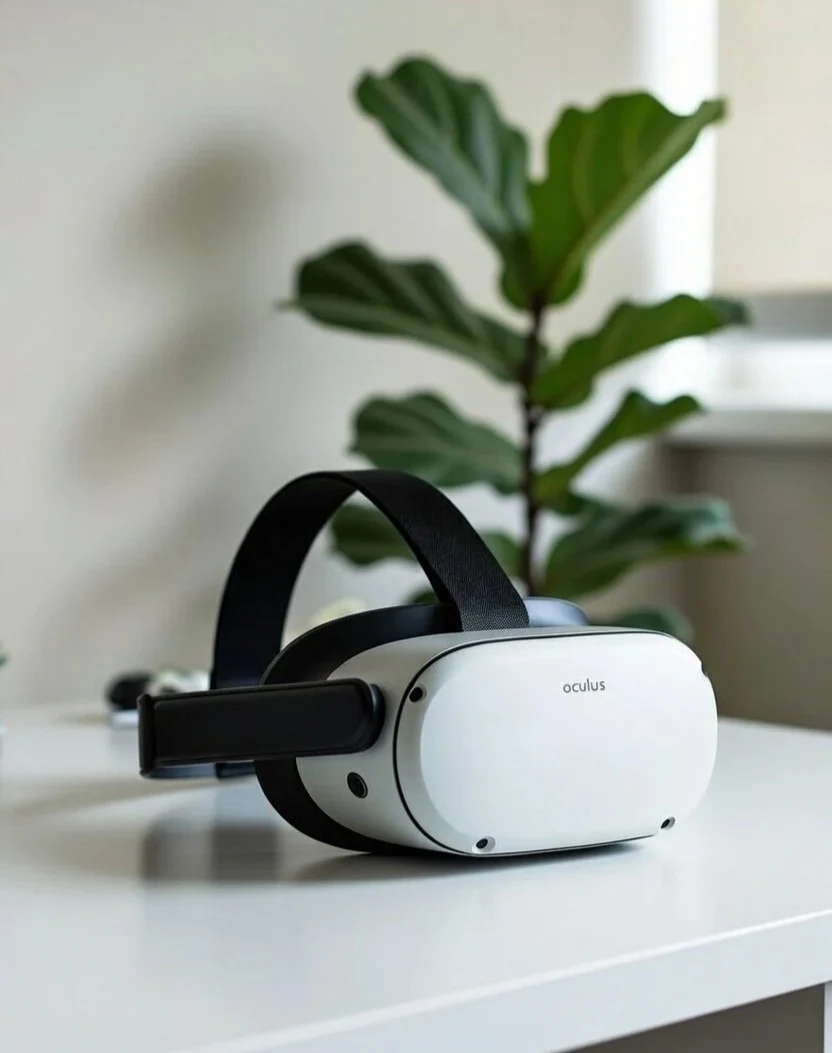
Virtual reality exposure therapy (VRET)
For some phobias (flying, heights, enclosed spaces, medical settings), we can begin exposure using virtual reality. This lets you practise facing feared situations in a controlled, gradual way before moving into the real world.
VR is optional and used selectively: not a replacement for therapy, but one of several tools to help you build confidence at a pace that feels manageable. Most phobias don't require it.
Specific phobias are among the most treatable anxiety conditions
Around 5–10% of Australians experience a specific phobia at some point. The research is clear: CBT with paced, structured exposure has strong, consistent evidence for specific phobias, often with meaningful improvement in a relatively short course of sessions.
Treatment length varies with the complexity of the phobia and what you want out of therapy, but many people see significant change sooner than they expected. Your plan adjusts as we go, based on what's working.
Four things people ask before starting phobia therapy
Answered directly, so you know exactly what you're walking into.
The first session, and how you'll know it's working
Straight answers, not marketing, so you know what you're walking into and what change actually looks like over time.
What actually happens
The first session is about understanding your fear and building a plan, not facing anything. We'll typically cover:
- What brought you in now: what's changed, what's reached its limit
- How the phobia shows up: triggers, physical response, thoughts, urges
- What you've tried so far, and why it hasn't held
- What you want to be able to do again, in concrete, real-world terms
- A personalised treatment plan, paced to what feels manageable
By the end, you'll have a clearer understanding of how the phobia is maintained, and a step-by-step plan for changing it.
How to tell therapy is working
Progress with phobias shows up in concrete, measurable ways:
- Anticipatory dread reduces before feared events
- The physical response quietens: less racing heart, less dizziness
- You approach situations you've been avoiding for years
- Panic episodes reduce in frequency and intensity
- Safety behaviours loosen: props, routes, and rituals fall away
- Your world expands: new plans, travel, medical care, opportunities
- You start making decisions from values, not fear
Common goals include: flying again, attending medical or dental appointments, getting injections, being comfortable around animals, driving confidently, using lifts or MRI scanners without panic.
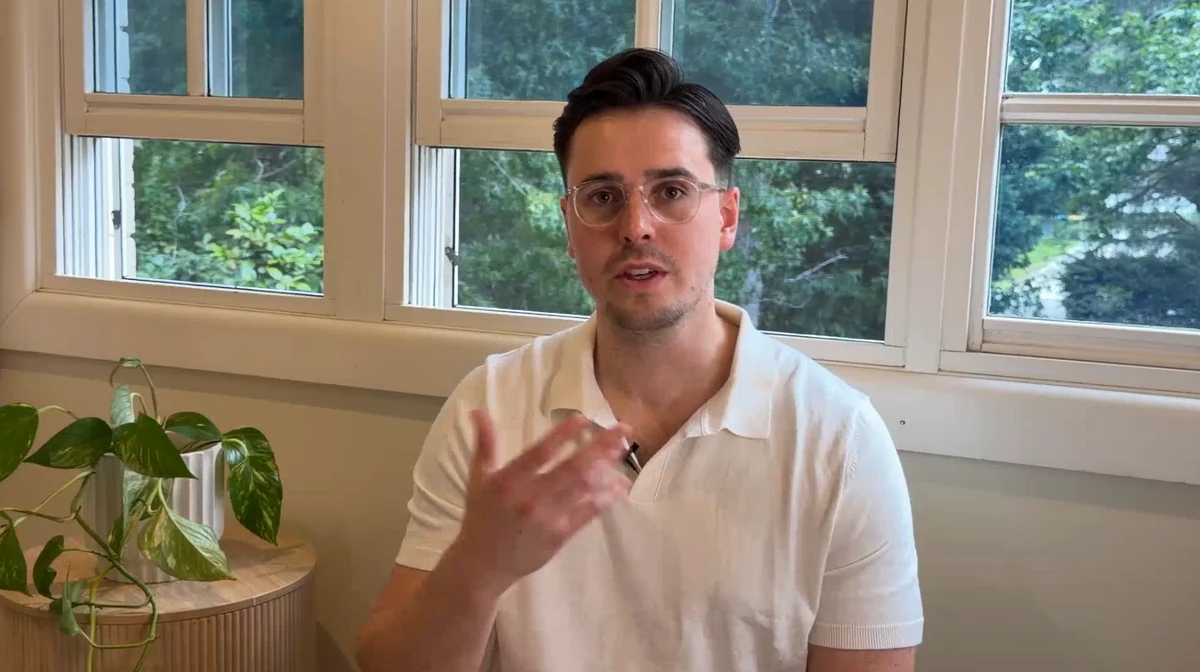
Meet James in 2 minutes: how therapy works at MindSure Psychology.
A warm, direct, evidence-based approach
I'm the Principal Psychologist and Clinical Psychology Registrar providing phobia treatment for adults on the Central Coast and in Hornsby. My approach is warm, collaborative, and grounded in what the research supports, with a clear focus on helping you build practical skills for meaningful, lasting change.
I've worked across Queensland Health, Aurora Healthcare, Griffith University Psychology Clinic, and private practice in Sydney, the Gold Coast, and the Central Coast.
Good therapy for phobias should feel structured, respectful, and honest about what's going to work. You'll leave sessions with clear next steps, and we'll work at a pace that's paced enough to be manageable, but active enough to actually change things.
Learn more about my background & approach →Does any of this sound familiar?
Tap anything that resonates. There's no score and nothing is saved; it's just a way of noticing your own pattern.
Tap any item that feels familiar; your reflection appears here.
Supporting adults across the Central Coast
MindSure Psychology is based in Gosford CBD (Suite 112, 159 Mann St, inside John's Place), a short drive for most of the Central Coast and walkable from Gosford train station.
I regularly see adults travelling in from nearby suburbs, including:
In-person or telehealth, whatever fits
If you're within a short drive of Gosford, sessions are available in person or via telehealth. Appointments include daytime and evening times to suit work and family commitments.
Gosford hours: Wed–Fri 11:30am–7:30pm
In-person sessions are also available at our clinic in Hornsby, supporting adults from Wahroonga, Waitara, Asquith, Normanhurst, Thornleigh, and Berowra.
Telehealth, anywhere in Australia
For some phobias (flying, medical anxiety, social-facing fears), telehealth works particularly well for the early planning and cognitive sessions. Many clients move between in-person and video as treatment progresses.
- No travel time required
- Same evidence-based approach
- Medicare rebates apply
Transparent pricing
$138.45 per session
Out-of-pocket cost with a Medicare rebate
Full session fee is $240 per 50-minute appointment. A Medicare rebate of $101.55 applies with a GP Mental Health Treatment Plan.
Common questions about phobia therapy
Quick answers to what people most commonly ask before starting.
Do you treat my specific phobia?⌃
Yes. MindSure supports a wide range of specific phobias, including flying, needles and medical procedures, vomiting (emetophobia), driving, heights, animals, enclosed spaces, dental anxiety, and other situation-based fears. Treatment is practical and structured, and we move at a pace that feels manageable.
How quickly can I get an appointment?⌃
You can check live availability and book directly online, or call (02) 4313 1656.
Do I need a GP referral?⌃
No. You can self-refer and book without a referral. A GP Mental Health Treatment Plan is only required if you'd like to claim Medicare rebates.
Does my Mental Health Treatment Plan expire?⌃
No. Your Mental Health Treatment Plan doesn't expire, so you can start using it at any time, even if it was written a while ago. Medicare rebates are capped at 10 sessions per calendar year, and the cap resets each January. You can read more on healthdirect.
How long does phobia treatment usually take?⌃
It varies, but specific phobias often respond faster than other anxiety conditions. Many people see meaningful change within a focused block of sessions. Complex or long-standing phobias, especially those with trauma origins, may benefit from longer work. We'll review progress together and adjust the plan as needed.
What does phobia treatment actually involve?⌃
Evidence-based treatment typically involves mapping your fear cycle, learning regulation skills, and gradual, planned exposure. We develop a step-by-step plan together, and practise in a way that's safe, collaborative, and realistic. The aim isn't to "force" anything; it's to help your brain learn, through experience, that you can cope.
Will I have to do exposure?⌃
For specific phobias, paced exposure is the most effective component of treatment, but it's always collaborative, gradual, and only begins when you're ready. You can read more about what exposure therapy actually involves.
My referral is addressed to another psychologist. Is that okay?⌃
Yes. If you have a valid GP Mental Health Treatment Plan, you can still attend sessions at MindSure and claim Medicare rebates, even if the referral is addressed to a different psychologist or practice. This is very common.
Do you offer telehealth?⌃
Yes. Telehealth is available anywhere in Australia. It's useful for the planning and cognitive stages of phobia work, and for people who can't travel to Gosford or Hornsby.
Is therapy confidential?⌃
Yes, with standard limits (such as immediate risk of harm, child safety, or legal requirements). Records are stored securely in line with Australian Privacy Principles.
What happens in the first session?⌃
The first session focuses on understanding your fear: how it shows up, what it's stopped you doing, and what you want to be able to do again. You'll leave with a clear, evidence-based plan for treatment. You won't be pushed into feared situations on day one.
Have a question that isn't covered here? See our full FAQs.


MindSure Psychology is a proud community partner and sponsor of local sporting clubs.



Ready to start working through the fear?
You don't need to have it figured out before the first session. If the phobia has been holding things back, we'll take it at your pace, and build a clear plan together.