



Social Anxiety Treatment in Gosford
Evidence-based therapy to help you feel more confident in social situations
Evidence-based therapy to help you feel more confident in social situations
How I Help with Social Anxiety
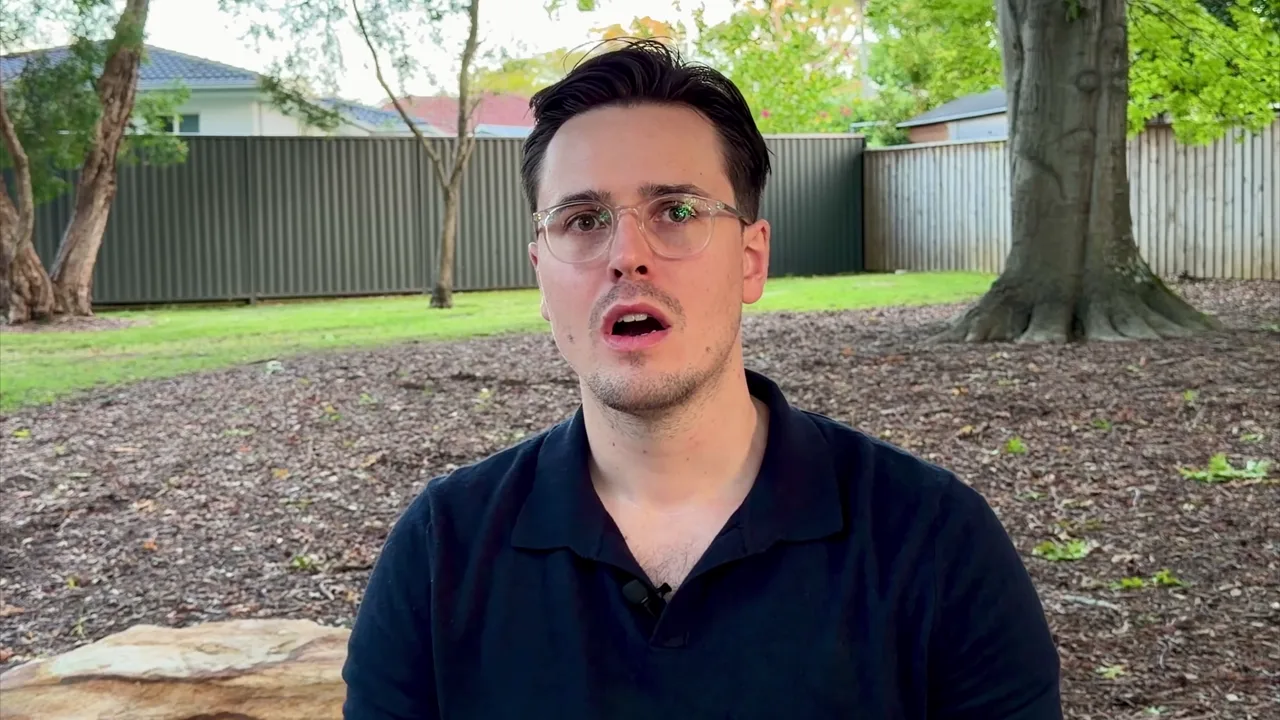
In this video, I explain how social anxiety is understood in therapy, how treatment targets fear of judgment and avoidance, and what you can expect if we work together.
Social anxiety can make everyday interactions feel overwhelming: meeting new people, speaking up at work, joining conversations, or even making small talk. If you’ve found yourself avoiding social situations or feeling constantly self-conscious, you’re not alone, and effective treatment is available.
At MindSure Psychology in Gosford on the Central Coast, we offer structured, evidence-based support to help you understand your anxiety, build confidence, and reconnect with the parts of life you’ve been avoiding.
Call us: (02) 4313 1656
Ready to start? You can book online, or view Fees & Rebates for Medicare rebate information.
What Is Social Anxiety?
Social Anxiety Disorder involves an intense fear of being judged, embarrassed, or negatively evaluated.
If you often feel watched or scrutinised, worry about saying the “wrong” thing, or avoid situations where attention might fall on you, this may resonate.
People often describe:
Worry about saying the “wrong” thing
Feeling watched, judged, or scrutinised
Blushing, sweating, shaking, or nausea in social situations
Difficulty relaxing, even with familiar people
Anticipating social events with dread
Avoiding situations where attention may fall on them
Social anxiety is one of the most common anxiety conditions in Australia, and importantly, one of the most treatable.
If you’d like a deeper understanding of social anxiety symptoms and patterns, you can read our full Social Anxiety Disorder guide here.
How Social Anxiety Shows Up
Social anxiety is often less about the situation itself and more about the fear of being noticed, evaluated, or getting something “wrong”.
Although everyone’s experience is different, common triggers include:
Speaking up in meetings or classes
Meeting new people
Dating or social events
Being the centre of attention
Eating in front of others
Making small talk
Fear of being observed online or in person
Many people know their fear is bigger than the situation, but it still feels outside their control.
Why Social Anxiety Develops
Social anxiety isn’t a character flaw. It’s usually a set of learned patterns that can become automatic over time.
Social anxiety usually arises from a mix of:
Past difficult social experiences
High sensitivity to social threat (e.g., rejection)
Habitual self-critical thinking
Self-focused attention (monitoring how you’re coming across)
Avoidance, which reduces anxiety short-term but strengthens it long-term
These patterns can become automatic, creating a cycle that affects work, relationships, and confidence.
The good news: these patterns can change, especially with targeted psychological treatment.

How We Treat Social Anxiety at MindSure Psychology
We use therapies specifically shown to be effective for Social Anxiety Disorder:
CBT is the most researched and effective treatment for social anxiety. It helps you:
- Understand the thoughts and beliefs driving your anxiety
- Shift self-critical or fear-based predictions
- Reduce self-focused attention
- Rebuild confidence through supported behavioural experiments
- Learn practical tools to manage physical symptoms
We work step-by-step and at your pace.
Exposure therapy helps you face the situations you've been avoiding, not all at once, but gradually, with support. You can read more about what exposure therapy actually involves.
We design exercises that match your goals, such as:
- Initiating brief conversations
- Speaking in small groups
- Reducing safety behaviours (e.g., rehearsing, masking, avoiding eye contact)
- Practising real-world confidence-building tasks
These exposures help retrain the brain to feel safer in social settings.
ACT helps you:
- Reduce the struggle with anxious thoughts
- Build psychological flexibility
- Let go of the constant internal monitoring
- Move towards your values: relationships, career, identity, connection
ACT works especially well when social anxiety includes shame, perfectionism and high self-criticism, or fear of vulnerability.
What You Can Expect From Therapy
We map out your triggers, symptoms, and thinking patterns so everything makes sense.
Tools for managing self-focus, physical discomfort, and anxious predictions.
Always collaborative and matched to your pace.
Therapy helps expand your comfort zone, not push you into anything unhelpful.
We aim for results that extend beyond the therapy room into daily life.
Why Choose MindSure Psychology?
Evidence-based treatment tailored to your needs
A calm, confidential environment
Experience working with anxiety across adults
Practical, structured therapy that creates real change
A collaborative approach: no pressure, no judgment
Our goal is to help you feel more confident, connected, and capable in the situations that matter to you.
FAQ Highlights
What does social anxiety treatment usually involve?⌃
Evidence-based treatment for Social Anxiety Disorder is structured and practical. It often involves CBT strategies to reduce self-critical thinking, shift fear-based predictions about being judged, and reduce self-focused attention.
Treatment commonly includes supported behavioural experiments or gradual exposure to social situations, done safely and at a pace that feels manageable. Confidence is built through experience, not pressure.
Will I have to do exposure straight away?⌃
No. The first session focuses on understanding how your social anxiety operates and what keeps it going. Any exposure or behavioural experiments are planned collaboratively and introduced gradually.
You’ll never be pushed into situations before you understand the rationale and feel ready.
How quickly can I get an appointment?⌃
You can check live availability and book directly online, or call if you prefer.
Do I need a referral?⌃
No. You can self-refer and book an appointment without a referral. A GP Mental Health Treatment Plan is only required if you would like to claim Medicare rebates.
Does my Mental Health Treatment Plan expire?⌃
No. Your Mental Health Treatment Plan doesn’t expire, so you can start using it at any time, even if it was written a while ago. Medicare rebates are capped at 10 sessions per calendar year, and the cap resets each January. You can read more on healthdirect.
My GP referral or Mental Health Treatment Plan is addressed to another psychologist. Is that okay?⌃
Yes, that’s completely fine.
If you have a valid GP Mental Health Treatment Plan, you can still attend sessions at MindSure Psychology and claim Medicare rebates, even if the referral is addressed to a different psychologist or practice.
This is very common, particularly when people are booking based on availability, location, or personal fit. As long as your Mental Health Treatment Plan is current and you’re eligible for Medicare rebates, we can proceed without any issues.
Are sessions confidential?⌃
Yes. Everything you share in therapy is confidential, with only rare legal or safety-related exceptions. Records are stored securely in line with Australian Privacy Principles.
What can I expect in my first session?⌃
Your first session focuses on understanding your social anxiety patterns, including avoidance, self-focused attention, and safety behaviours. We’ll clarify what you want to change and begin building a clear, evidence-based plan.
Feeling nervous is very common. The first session is not about performing. It’s about clarity, direction, and working at a pace that feels manageable.
How do I make my first appointment?⌃
You can book online, call, or email. If you have a referral and Mental Health Treatment Plan, please bring these documents to your first session.
Have a question that isn’t covered here? See our full FAQs.
Who Social Anxiety Treatment Can Help
Therapy is ideal if you:
Avoid speaking up even when you want to
Feel intensely self-conscious around others
Worry about being judged or “messing up”
Struggle with dating, work meetings, or social events
Rehearse conversations or over-analyse past interactions
Use safety behaviours to hide anxiety
Avoid important opportunities because of fear
These patterns are highly treatable, and many people regain confidence quickly with the right support.

Start Moving Towards Confidence
If social anxiety is affecting your work, relationships, or sense of self, therapy can help.
You don’t need to navigate this alone. Support is available, and progress often happens faster than people expect.
You’re welcome to book an appointment online whenever you feel ready.
In-person sessions are available in Gosford and Hornsby, or via telehealth across NSW and Australia.