


Practical therapy for
anxiety, worry, and overthinking
Evidence-based anxiety treatment for adults on the Central Coast & in Hornsby, in-person or via telehealth. Structured, collaborative, and tailored to how anxiety actually shows up in your life.
Evidence-based anxiety treatment for adults on the Central Coast & in Hornsby, in-person or via telehealth. Structured, collaborative, and tailored to how anxiety actually shows up in your life.




A clearer, more practical way to work on anxiety
Anxiety has a way of quietly making life smaller. Tasks that used to feel manageable start feeling overwhelming. Decisions take longer. Sleep suffers. You find yourself avoiding things "just in case", and your world narrows without you really noticing.
If that sounds familiar, therapy offers a structured, evidence-based way to turn it around. Not through vague advice or telling you to "just relax", but by understanding how your anxiety actually works, and building real skills to respond to it differently.
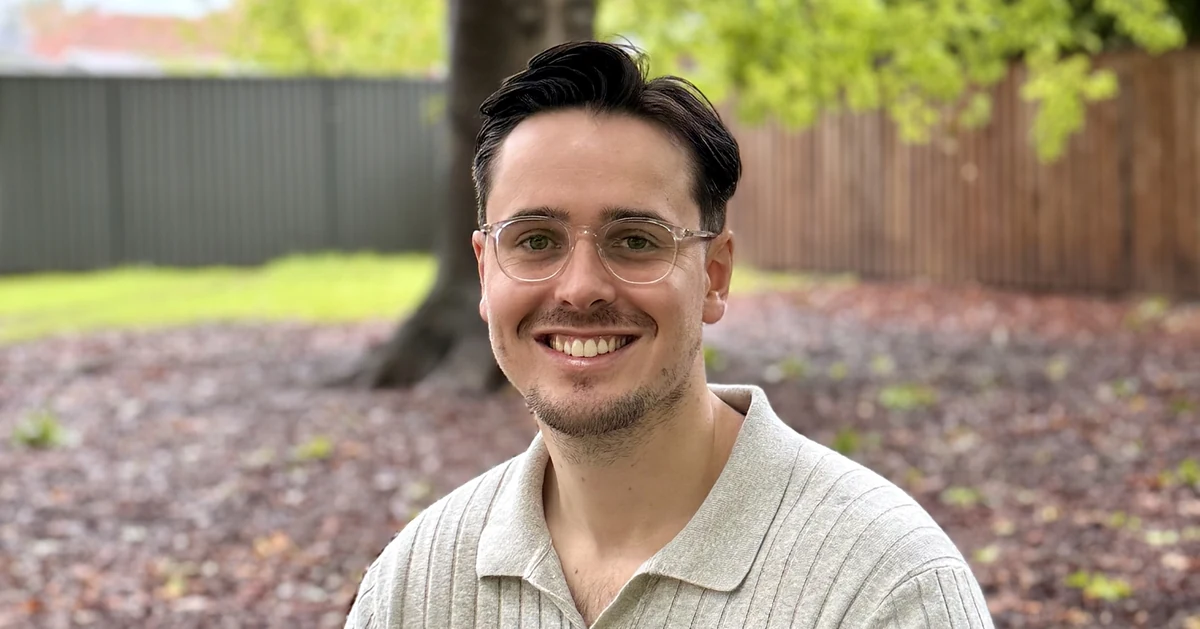
At MindSure Psychology, I'm James Wightman, a registered psychologist providing anxiety treatment and counselling to adults from across the Central Coast, including Erina, Terrigal, Woy Woy, Wyoming, Kariong, Narara, and surrounding suburbs. Sessions are available in-person in Gosford, in Hornsby, or via telehealth anywhere in Australia.
Ready to start? You can book online, or view Fees & Rebates for Medicare rebate information.

You can book online in under 2 minutes, or call if you'd prefer. No referral needed to get started.
Check availability →Why anxiety is often harder to shift than it should be
Anxiety isn't just "in your head". It's a learned pattern, reinforced over time by small things that feel helpful in the moment but actually keep anxiety going:
- 1Avoidance feels like relief, but strengthens anxietyEvery time you avoid something uncomfortable, your brain learns that the thing was genuinely dangerous. Short-term relief, long-term shrinkage.
- 2Reassurance quiets anxiety briefly, then feeds itGoogling symptoms, asking "am I okay?", or mentally reviewing: each round gives brief relief, then the doubt comes back louder.
- 3Controlling everything feels safer, but narrows your worldPerfectionism, overpreparing, and "just in case" routines start as coping and end as a cage.
- 4The body stays on alert, even when nothing's wrongChronic anxiety leaves the nervous system tuned to threat. Tension, tight chest, and broken sleep become normal, even on "good" days.
Therapy works by gently reversing these loops: not by willpower, but by changing what keeps anxiety going in the first place.
How anxiety actually shows up
Anxiety isn't always obvious worry. More often, it looks like:
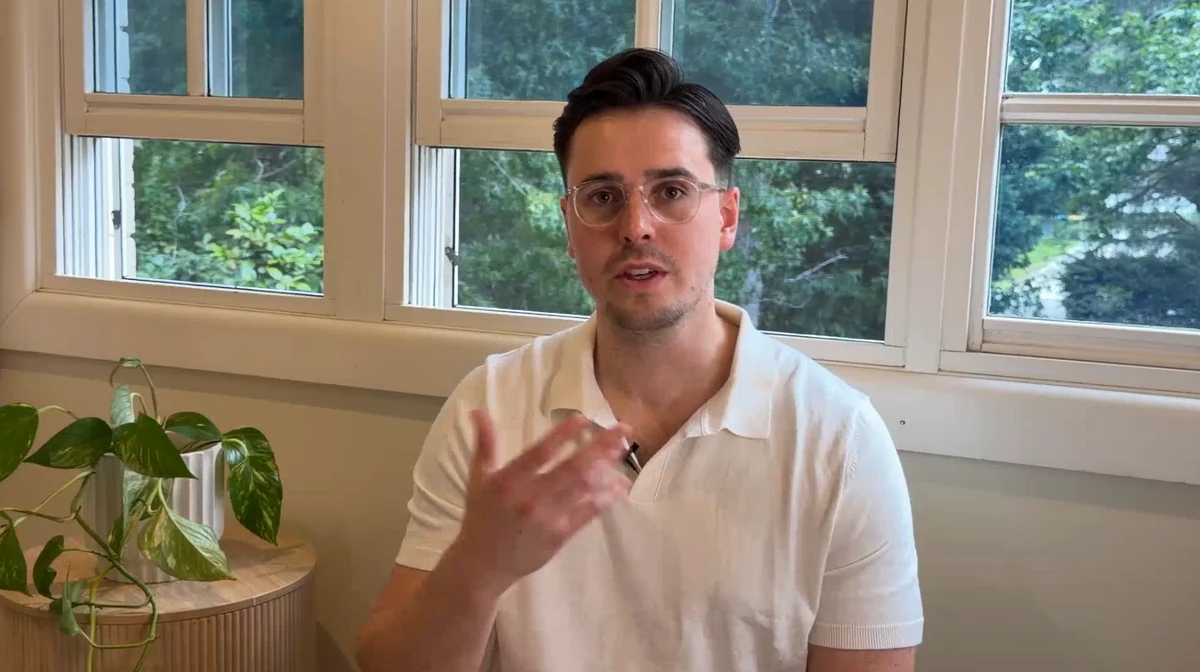
Meet James in 2 minutes: how therapy works at MindSure Psychology.
A warm, direct, evidence‑based approach
I'm the Principal Psychologist and Clinical Psychology Registrar providing anxiety therapy for adults on the Central Coast and in Hornsby. My approach is warm, collaborative, and grounded in what the research supports, focused on helping you build practical strategies for meaningful, lasting change.
I've worked across Queensland Health, Aurora Healthcare, Griffith University Psychology Clinic, and private practice in Sydney, the Gold Coast, and the Central Coast.
A large proportion of the adults I work with are aged 18–35, but I see clients of all ages.
“I've also experienced anxiety myself, and CBT was what helped me work through it; it's part of why I do this work, and why I trust the approaches I use. The goal is meaningful, lasting change, not short-term relief.”
Four things people ask before starting anxiety therapy
Answered directly, so you know what you're walking into.
The different shapes anxiety takes
Anxiety is not one thing. Different patterns respond to different strategies, so treatment is tailored to how yours actually operates. Tap any area to learn more.
Generalised worry & overthinking (GAD)
A constant stream of "what ifs", difficulty switching off, and worry that jumps from one thing to the next. You may feel keyed up, tense, or mentally exhausted without being able to pinpoint why.
- Chronic worry
- Mental fatigue
- Difficulty switching off
- Physical tension
Panic attacks & panic disorder
Sudden waves of intense fear, often with physical symptoms: racing heart, shortness of breath, tingling, derealisation, fear of losing control or dying. Panic often leads to avoidance of places or situations where attacks happened.
- Racing heart
- Breathlessness
- Fear of attacks
- Avoidance
Social anxiety & fear of judgement
Fear of judgement, over-analysis of social interactions, replaying conversations for days, or avoiding events altogether. Often quietly shapes career choices, friendships, and how much of life you participate in.
- Fear of judgement
- Over-analysing conversations
- Avoidance of social events
- Performance anxiety
Health anxiety & bodily worry
Persistent fear of having (or developing) a serious illness. Cycles of symptom-checking, Googling, GP visits, and short-lived reassurance that never lasts. Often worsens during stress or after a health scare.
- Symptom checking
- Health Googling
- Reassurance-seeking
- Fear of serious illness
Phobias & specific fears
Intense fear of a specific situation or object: flying, heights, driving, needles, medical procedures, vomiting, animals. Avoidance can quietly shrink your world or make certain life milestones feel impossible.
- Flying & heights
- Needles & medical
- Driving
- Animals & insects
Insomnia & anxiety-fuelled sleep issues
Lying awake with a racing mind, waking at 3am unable to switch off, or dreading bedtime because nothing works. Anxiety and sleep difficulties feed each other; fixing one usually improves the other.
- Difficulty falling asleep
- Night waking
- Racing mind at bedtime
- Daytime fatigue
Intrusive thoughts & OCD‑linked anxiety
Unwanted thoughts, images, or urges that feel disturbing or "not you", often followed by mental reviewing, checking, or compulsions to feel okay. OCD can attach to almost anything: harm, relationships, contamination, identity.
- Intrusive thoughts
- Mental reviewing
- Compulsions
- Fear of what thoughts mean
Trauma-linked anxiety & hypervigilance
Anxiety that emerged after a specific event: an accident, medical experience, assault, or ongoing stress. Often involves feeling constantly on edge, easily startled, emotionally numb, or avoiding reminders.
- Hypervigilance
- Flashbacks
- Avoidance
- Emotional numbing
ADHD-linked anxiety & overwhelm
Anxiety that builds from task paralysis, time blindness, missed deadlines, and the constant feeling of being behind. Often layered with rejection sensitivity, masking fatigue, and burnout from years of over-compensating.
- Task paralysis
- Overwhelm
- Rejection sensitivity
- Burnout cycles
Not sure what type, or a mix of things
It's very common to recognise parts of several, or to know something isn't right without a clear label. The first session helps make sense of what's actually going on, so treatment can be tailored properly. You don't need a diagnosis to start.
The approaches I use are among the most studied in mental health research
Anxiety disorders are among the most treatable mental health conditions. Cognitive Behavioural Therapy (CBT) has decades of clinical trial evidence supporting its effectiveness for anxiety, with many people noticing meaningful improvement within the first 6–10 sessions, and full treatment courses typically running 8–16 sessions depending on complexity.
Acceptance and Commitment Therapy (ACT) and EMDR are also evidence-based approaches with strong research support, used when a different fit is needed. Your treatment plan draws from whichever approach suits your goals best, and adjusts as we go.
The first session, and how you'll know it's working
Straight answers, not marketing, so you know what you're walking into and what changes to look for over time.
What actually happens
The first session is about getting clarity and building a plan. We'll typically cover:
- What brought you in now: what's changed, what's reached a limit
- How anxiety shows up: thoughts, body, behaviour, triggers
- What keeps it going: avoidance, reassurance, control patterns
- What you want to be different in practical, real-world terms
- A personalised treatment plan, paced to what feels manageable
By the end, you should leave with a clearer understanding of your anxiety, and usually one or two strategies to begin straight away.
How to tell therapy is working
Progress is rarely a sudden "fix". It's usually a set of measurable shifts:
- You recover faster after being triggered, less stuck
- You're avoiding less, doing more of what matters
- Panic or worry episodes reduce in frequency or intensity
- Sleep improves, even slightly
- Your body settles: less tension, clearer thinking
- You ruminate less, with more control over attention
- You're making decisions from values rather than fear
Real change often shows up in how you respond to anxiety, even before anxiety itself fully settles.
Does any of this feel familiar?
Tap anything that resonates. There's no score and nothing is saved; it's just a way of noticing patterns.
Tap any item that feels familiar; your reflection appears here.
Supporting adults across the Central Coast
MindSure Psychology is based in Gosford CBD (Suite 112, 159 Mann St, inside John's Place), a short drive for most of the Central Coast and walkable from Gosford train station.
I regularly see adults travelling in from nearby suburbs, including:
In-person or telehealth, whatever fits
If you're within a short drive of Gosford, sessions are available in person or via telehealth. Appointments include daytime and evening times to suit work and family commitments.
If you've been searching for anxiety counselling, or an anxiety therapist near you, sessions are available in person in Gosford and by telehealth right across NSW.
Gosford hours: Wed–Fri 11:30am–7:30pm
In-person sessions are also available at our Hornsby location, supporting adults from Wahroonga, Waitara, Asquith, Normanhurst, Thornleigh, and Berowra.
Telehealth available anywhere in Australia
A practical option if you're working long hours, travelling, have kids at home, or just prefer the convenience of not having to drive.
Transparent pricing
$138.45 per session
Out-of-pocket cost with a Medicare rebate
Full session fee is $240 per 50-minute appointment. A Medicare rebate of $101.55 applies with a GP Mental Health Treatment Plan.
Common questions about anxiety therapy
Quick answers to what people most commonly ask before starting.
Do I need a GP referral to see a psychologist for anxiety?⌃
No. You can book directly without a referral. If you'd like a Medicare rebate, you'll usually need a GP appointment for a Mental Health Treatment Plan, but many people start therapy first and organise that afterwards.
Does my Mental Health Treatment Plan expire?⌃
No. Your Mental Health Treatment Plan doesn't expire, so you can start using it at any time, even if it was written a while ago. Medicare rebates are capped at 10 sessions per calendar year, and the cap resets each January. You can read more on healthdirect.
How long does anxiety therapy usually take?⌃
It varies depending on complexity. Many people notice meaningful improvement within 6–10 sessions; others benefit from longer-term support, particularly if anxiety has been long-standing or is layered with trauma or ADHD. We review progress together regularly and adjust the plan as needed.
My MHTP is addressed to another psychologist. Is that okay?⌃
Yes. In most cases, you can still use a valid GP Mental Health Treatment Plan even if it's addressed to a different psychologist. As long as the referral is current and you consent to seeing a different provider, Medicare rebates are usually still available.
What if my anxiety doesn't feel "severe enough" for therapy?⌃
You don't need to reach a breaking point. Many people seek help for ongoing worry, overthinking, or stress that's affecting quality of life even while they're still "functioning". Starting earlier usually means faster, easier progress.
Will I have to do exposure?⌃
Only when it's appropriate for the type of anxiety, and only when you're ready. Exposure is always collaborative and paced; nothing is forced. You can read more about what exposure therapy actually involves.
Is therapy confidential?⌃
Yes, with standard limits (such as immediate risk of harm, child safety, or legal requirements). Records are stored securely in line with Australian Privacy Principles.
Do you offer telehealth?⌃
Yes. Telehealth is available anywhere in Australia, a practical option if you're working long hours, have kids at home, or just prefer not to drive.
What happens in the first session?⌃
We'll focus on understanding how anxiety shows up for you (triggers, thoughts, body signals, patterns) and what you want to be different. Many people find that simply mapping it out is relieving in itself. You'll usually leave with one or two practical strategies to start using.
Have a question that isn't covered here? See our full FAQs.


MindSure Psychology is a proud community partner and sponsor of local sporting clubs.



Ready to start working on anxiety?
It's normal to feel unsure about starting; we'll take it at your pace, and you don't need to have it all figured out before the first appointment.