Which location?
Select a clinic to call
Gosford (02) 4313 1656Hornsby (02) 8428 9210
Macmasters Beach ocean pool at sunrise with soft waves and distant headland on the Central Coast, NSW

OCD treatment in Gosford

Structured, evidence-based therapy for adults with OCD — in Gosford, Hornsby, or via telehealth across Australia.

No referral needed · Medicare & NDIS · Appointments within 7 days
1Book online in 2 minutes
2Attend your first session
3Start feeling better
AHPRAAPSMedicareNDIS
Gosford: (02) 4313 1656 · Hornsby: (02) 8428 9210
Written by James Wightman, Principal Psychologist & Clinical Psychology Registrar · Last reviewed: April 2026

Evidence-based OCD therapy on the Central Coast

Living with OCD can feel exhausting — intrusive thoughts, mental rituals, checking, or the constant need to "make things feel right" can take up far more time and energy than you'd like. Many people describe feeling stuck in a loop they can't break free from, even when they recognise the thoughts or behaviours don't make sense.

OCD is highly treatable. With the right support and the right therapeutic approach, most people see strong improvements in their symptoms and quality of life.

Although based in Gosford, I support adults with OCD from across the Central Coast and in Hornsby, providing structured, evidence-based treatment grounded in modern cognitive-behavioural approaches — including Exposure and Response Prevention (ERP), the gold-standard treatment for OCD.

OCD is part of the broader family of anxiety conditions, so if you'd like an overview of how anxiety presents more generally, you can read more about understanding anxiety.

Norah Head Lighthouse overlooking the ocean at sunrise on the Central Coast, near Gosford

What OCD can look like

OCD varies widely from person to person. You may experience some, all, or only one cluster of symptoms.

  • Intrusive thoughts
    Unwanted, repetitive thoughts, images, or doubts that feel distressing — including fears of harm, contamination, or catastrophic "what if" scenarios
  • Compulsions and rituals
    Checking, washing, counting, repeating, or mental rituals performed to reduce anxiety or prevent feared outcomes
  • Reassurance seeking
    Frequently asking others for confirmation that things are safe, correct, or "okay"
  • Avoidance
    Staying away from particular places, objects, or situations that trigger obsessions
  • "Just right" feelings
    Repeating actions until they feel complete, symmetrical, or "right"
  • Impact on daily life
    The cycle can shrink your world and take a toll on wellbeing, relationships, and day-to-day functioning

If you're unsure what intrusive thoughts mean or why they happen, you can read a detailed explanation here: Why do I keep having disturbing intrusive thoughts?

OCD and anxiety overlap: Some people with OCD also experience generalised anxiety, social anxiety, or panic attacks.

Structured, evidence-based OCD therapy

Treatment begins by understanding exactly how your OCD operates — your specific obsessions, compulsions, triggers, and what maintains the cycle over time. Many people feel relief simply having clarity and a clear plan.

Exposure and Response Prevention (ERP)

ERP is the most effective treatment for OCD. It involves gradually facing feared thoughts or situations without performing the usual compulsions. Over time, this retrains the brain to reduce fear, uncertainty, and the urge to ritualise.

  • Always collaborative and paced appropriately
  • Tailored to your specific OCD themes
  • Designed to build confidence, not overwhelm you
  • You'll never be pushed into exposures you haven't agreed to

Wondering what exposure therapy looks like in practice? Read more here: What exposure therapy actually involves.

Cognitive strategies
  • Recognising how OCD distorts risk, responsibility, or meaning
  • Reducing over-responsibility and "thought–action fusion"
  • Understanding why reassurance keeps OCD going
  • Building tolerance for uncertainty

For some people, OCD is maintained by perfectionism and high self-criticism. CBT is central to OCD treatment.

Practical tools between sessions
  • Response prevention techniques
  • Uncertainty-tolerance strategies
  • Ways to interrupt rumination
  • Structured exposure plans

What therapy can help you achieve

Many people with OCD notice improvements such as:

  • Fewer intrusive thoughts and reduced anxiety around triggers
  • Less time spent on rituals and compulsions
  • Greater freedom in daily routines
  • Improved confidence and independence
  • Clearer thinking and less mental exhaustion

You do not need to eliminate intrusive thoughts to get better — the goal is reducing their power over your behaviour and wellbeing.

All forms of OCD in adults

I support adults experiencing all forms of OCD, including:

  • Contamination fears
  • Checking OCD
  • Intrusive thoughts (harm, sexual, or religious themes)
  • "Just right" sensations
  • Relationship OCD
  • Moral or scrupulosity concerns
  • Mixed presentations

If you're unsure whether what you're experiencing is OCD, we can explore this together in a supportive and structured way.

If you're not sure where to start, you're welcome to get in touch or simply book a first appointment.

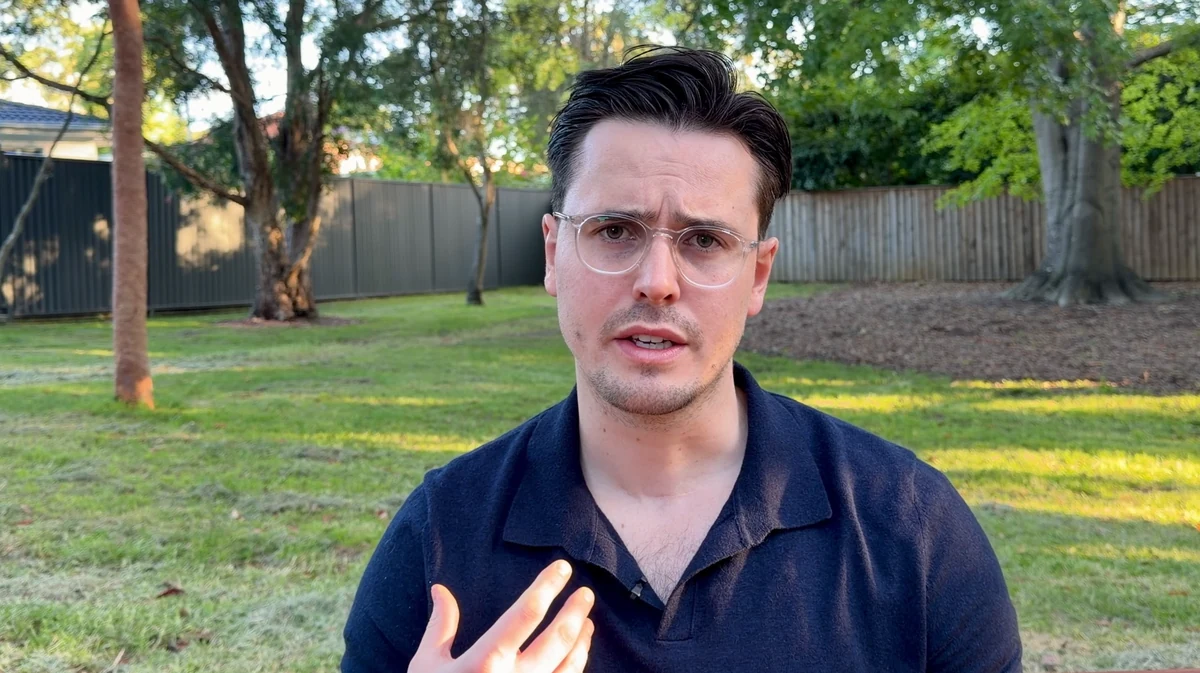
Video thumbnail — James Wightman explaining OCD treatment

In this video, I explain how OCD is understood in therapy, how treatment targets obsessions and compulsions, and what you can expect.

A warm, evidence-based approach

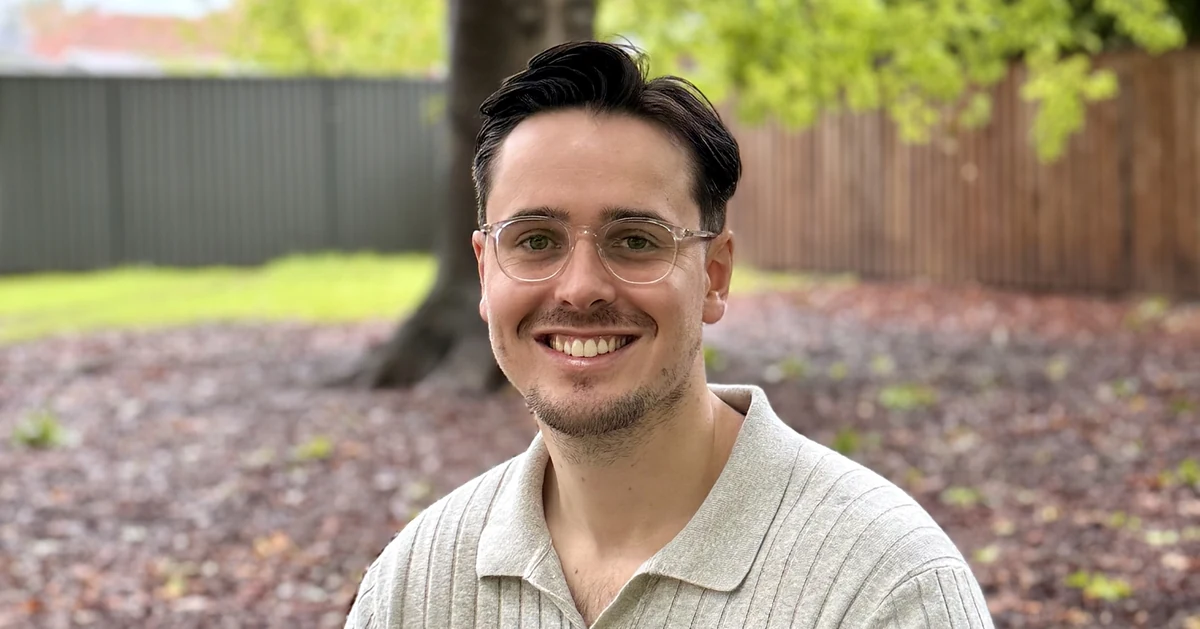
James Wightman is a Registered Psychologist and Clinical Psychology Registrar providing therapy for adults on the Central Coast and in Hornsby. He offers a warm, collaborative, and evidence-based approach, helping clients build practical strategies that support meaningful and lasting change.

He has worked across Queensland Health, Aurora Healthcare, Griffith University Psychology Clinic, and private practice in Sydney, the Gold Coast, and the Central Coast.

Good therapy should be structured, respectful, and supportive in a way that helps you move forward. You'll leave sessions with something practical to try, and we'll work at a pace that feels manageable for you.

Learn more about James's approach

What happens in your first few appointments

Seeing a psychologist for the first time can feel daunting — especially if you're unsure how OCD treatment works or whether it'll be the right fit. The early sessions are simply about understanding your experience and building a clear, structured plan.

Initial appointment

Mapping your OCD

We begin by understanding how your OCD operates — your specific intrusive thoughts, the rituals or mental behaviours you use, what triggers the cycle, and what maintains it over time.

Many people feel relief simply understanding why OCD feels so powerful and why it's been difficult to break.

Towards the end of this session — or early in the second — we usually introduce the first practical strategies so you have something useful to take away early on.

Session two onwards

Structured ERP and cognitive strategies

Together, we build a personalised treatment plan using Exposure and Response Prevention (ERP) and cognitive strategies tailored to your specific OCD themes.

ERP is planned carefully and collaboratively — you'll never be pushed into exercises before you feel ready. We move at a pace that feels manageable and aligned with your goals.

You'll leave each session with practical tools to use throughout the week — response prevention techniques, ways to interrupt rumination, and structured exposure plans.

OCD treatment across the Central Coast and in Hornsby

MindSure Psychology is based in Gosford CBD (Suite 112, 159 Mann St — inside John's Place), making it easy to access from across the Central Coast.

Many clients travel from nearby suburbs, including:

GosfordEast GosfordWest GosfordPoint ClareErinaTerrigalAvocaKincumberGreen PointNararaWyomingKariongWoy WoyUmina Beach

People often search for OCD support in their own suburb — for example, 'OCD psychologist Erina', 'OCD therapy Terrigal', or 'OCD treatment Woy Woy'. Many clients choose Gosford because it's centrally located with flexible appointment times.

Gosford appointments: Wed, Fri 2–7:30pm · Sat 11am–5pm · Sun 9am–7pm

In-person sessions are also available at our Hornsby location, serving clients across the Upper North Shore including Wahroonga, Waitara, Asquith, Normanhurst, and Thornleigh.

Telehealth available anywhere in Australia

Secure video sessions are available across NSW and Australia and can be a good option if you prefer the convenience and privacy of attending from home.

Transparent pricing

$141.05 per session

Out-of-pocket cost on weekdays with a Medicare rebate

Full session fee is $240 per 50-minute appointment. A Medicare rebate of $98.95 applies with a GP Mental Health Treatment Plan. Weekend sessions incur a $20 surcharge.

Referrals and Medicare

You can see a psychologist with or without a GP referral. A GP Mental Health Treatment Plan is only needed if you want to claim Medicare rebates. Private health insurance may also provide a rebate — check with your fund.

NDIS psychology support

For NDIS psychology support (plan-managed and self-managed participants), sessions are $232.99 per appointment. MindSure Psychology provides therapeutic mental health-related supports only. We do not offer behaviour support plans or functional capacity assessments.

Common questions

Questions people commonly ask before starting OCD treatment at MindSure Psychology.

Is ERP the main treatment you use for OCD?

Yes. Exposure and Response Prevention (ERP) is considered the gold-standard psychological treatment for OCD and is a core part of how I support clients. ERP involves gradually facing triggers while reducing compulsions, in a structured and collaborative way. We move at a pace that is manageable and aligned with your goals.

What kinds of OCD do you work with?

I support adults experiencing a wide range of OCD presentations, including contamination fears, checking OCD, intrusive thoughts (such as harm, sexual, or religious themes), "just right" symptoms, relationship OCD, moral or scrupulosity concerns, and mixed presentations.

Will I be forced to do exposure in the first session?

No. The first session focuses on understanding your symptoms and mapping the OCD cycle. ERP is planned carefully and collaboratively, and you will never be forced into exercises before you understand the rationale and feel ready. Many people find relief simply having clarity and a clear plan.

Do I need a referral?

No. You can self-refer and book an appointment without a referral. A GP Mental Health Treatment Plan is only required if you would like to claim Medicare rebates.

My GP referral is addressed to another psychologist — is that okay?

Yes — that's completely fine. If you have a valid GP Mental Health Treatment Plan, you can still attend sessions at MindSure Psychology and claim Medicare rebates, even if the referral is addressed to a different psychologist or practice. This is very common.

How quickly can I get an appointment?

Most clients are able to book an appointment within 2–7 days, often in the same week. You can check live availability and book directly online, or call (02) 4313 1656.

Are sessions confidential?

Yes. Everything you share in therapy is confidential, with only rare legal or safety-related exceptions. Records are stored securely in line with Australian Privacy Principles.

What can I expect in my first session?

Your first session focuses on understanding your OCD patterns — obsessions, compulsions, reassurance seeking, and avoidance — how they affect your life, and what you want to change. You'll leave with a clear, evidence-based plan tailored to your symptoms and goals. If you have a GP referral or Mental Health Treatment Plan, please bring it to your first session.

AHPRA Registered PsychologistMember of the Australian Psychological SocietyAssociate Member of the Australian Clinical Psychology AssociationMedicare rebates availableNDIS registered providerLGBTQI+ affirming psychologist
Wooden jetty stretching into calm water at sunrise on the Central Coast
Appointments available within 7 days

Book your first session

If OCD is interfering with your life, effective, evidence-based treatment is available — and recovery is very achievable. You don't need a referral to get started.