


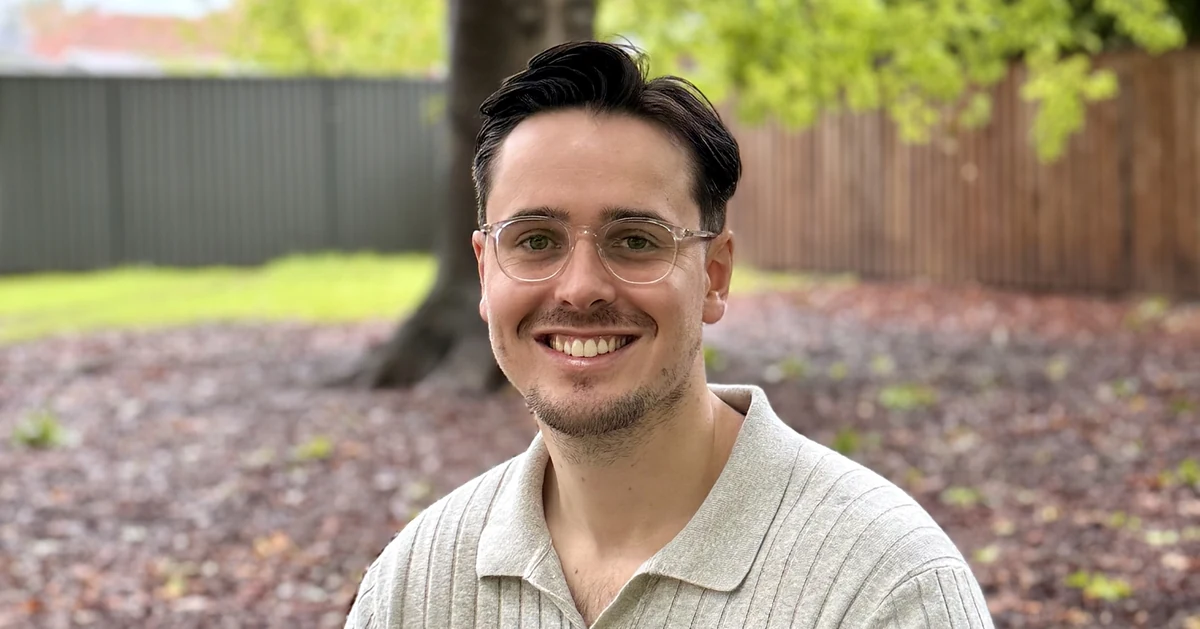
Insomnia therapy on the Central Coast
Structured, evidence-based support for adults with anxiety-related sleep problems, in Gosford, Hornsby, or via telehealth.
Structured, evidence-based support for adults with anxiety-related sleep problems, in Gosford, Hornsby, or via telehealth.




Evidence-based support for adults with anxiety-related sleep problems
For many people, insomnia isn't just about sleep. It's about a mind that won't switch off, a body stuck in high alert, and growing fear about what another bad night will mean tomorrow.
If you're lying awake with a racing mind, watching the clock, or worrying about how you'll cope the next day, this pattern is highly treatable with the right psychological approach.
A busy mind at night is common to both anxiety and ADHD; this guide explains how to tell them apart.
Therapy for insomnia is most effective when it targets both sleep-related behaviours and anxiety-driven hyperarousal. I use CBT-I (Cognitive Behavioural Therapy for Insomnia), adapted for insomnia that is driven by anxiety and paced to what you can manage, rather than handed to you as a fixed set of sleep rules.
Although based in Gosford, I support adults experiencing sleep problems from across the Central Coast and in Hornsby using structured, evidence-based therapy.

The "one bad night → fear → hyperarousal" loop
Anxiety-related insomnia is rarely about not knowing how to sleep. It's maintained by a learning pattern where effort to control sleep + fear of poor nights becomes the engine that keeps sleep away. Tap a step to see what's happening, why it sticks, and what therapy targets.
A light or broken night
Hard to drop off, waking, or sleeping lightly: nights most people have, and they pass. The loop starts when the brain treats one as a high-stakes problem to solve.
What therapy targetsSeeing a rough night as a passing blip, and easing off on checking how you slept.
One bad night takes on meaning
'What if it happens again tonight?' 'How will I cope tomorrow?' A single night starts to feel like a threat. Worry winds the body up, the opposite of what sleep needs.
What therapy targetsStepping back from 'what if' thoughts, and postponing worry to the daytime.
The body switches on
Tense, alert, mind racing: 'wired but tired'. That's a body on guard, not a lack of sleepiness, and while it stays on guard, sleep is hard to reach however tired you are.
What therapy targetsGiving the body cues to stand down, and letting some restlessness be there.
Trying to make sleep happen
Clock-watching, 'just in case' rules, sleep tips at 2am, extra caffeine, naps. Understandable, but each adds watching and pressure, until sleep feels like a performance.
What therapy targetsGently letting go of the sleep rules and workarounds, and testing what happens without them.
More awake, not less
The harder you try, the more awake you feel, noticing every sound and thought. Bed becomes a place of effort and checking, and the brain learns to stay awake there.
What therapy targetsKeeping bed for sleep, getting up when wide awake, and dropping the struggle.
Bedtime becomes a test
'Will I sleep tonight?' Going to bed stirs anxiety, and you dread evenings in advance. When bed predicts struggle, the body braces early, and that alone can block sleep.
What therapy targetsApproaching bed in steady steps, with a settled evening routine you can predict.
Tuned in to tiredness
Heavy eyes, brain fog, that wired feeling: all read as proof something's wrong. Watching makes them louder, and fear of tiredness keeps the day tense into the next night.
What therapy targetsTurning attention outward rather than inward, and letting tired feelings be there.
The cycle strengthens
Another night arrives and the loop runs again, often faster. Worries and fixes change, the pattern does not, and each lap feeds the belief that sleep must be controlled.
What therapy targetsPlanning for rough nights and keeping the gains, so sleep can go back to being automatic.
When insomnia starts running the show
Anxiety-related insomnia often shows up as a mind that won't switch off and a body that stays activated long past when sleep should come. Common experiences include:
- Racing thoughts at bedtimeMind speeds up as soon as your head hits the pillow
- Clock-watching and mental maths"If I fall asleep now, I'll still get five hours…"
- Waking and can't return to sleepUp at 2 or 3am, mind already on alert
- Fear of bedtimeDreading night because of what might happen
- Hyper-focus on sleep qualityTracking, measuring, optimising, but sleep gets worse
- "Wired but exhausted"Body tired, nervous system still switched on
- Avoidance of eveningsDodging travel, commitments, or plans "just in case"
Sleep problems often overlap with anxiety, health anxiety around tiredness, or burnout. We can address these alongside insomnia in the same work.
Calming the system, not forcing sleep
Anxiety-related insomnia isn't usually a knowledge problem. Most clients I see have already tried meditation apps, sleep trackers, earplugs, sleep hygiene checklists, and every "trick" they've read online. Understanding hasn't translated into sleeping.
That's because insomnia is maintained by hyperarousal and effort, not a lack of information. Sleep returns when the body feels safe, not when it's pressured. Therapy focuses on reducing the arousal and the sleep-performance loop, rather than adding more rules.
Most people work through a focused block of therapy (typically 6–12 sessions), with longer support if the patterns are entrenched or sit alongside anxiety, burnout, or trauma. Meaningful change often begins once arousal starts to drop, even before sleep quantity fully normalises.
Structured, practical, evidence-based
Therapy for insomnia at MindSure Psychology uses CBT-I, alongside CBT, ACT, and nervous system regulation. Where insomnia is strongly anxiety-driven, we spend more time on the anxiety–sleep cycle and less on sleep rules applied for their own sake.
CBT-I is a package rather than a single technique. It involves bedtime restriction (sometimes called sleep restriction), stimulus control, relaxation training, cognitive therapy for sleep-related thoughts, and psychoeducation about sleep and healthy sleep habits. We work through these together, at a pace that fits you, rather than as a checklist to follow alone.

James is an Australian Psychological Society and Australasian Sleep Association certified CBT-I practitioner (Level 1), awarded for completing their certified skills course. He is listed on the Association's CBTi provider directory and on the CBT-I International Directory run by the University of Pennsylvania's Behavioral Sleep Medicine Program.
- We map your personal sleep pattern so it stops feeling random
- We reduce arousal rather than chase sleep, because the body sleeps when it feels safe
- We use behavioural experiments to loosen safety behaviours gently
- We address sleep alongside anxiety, burnout, and perfectionism where relevant
- We build relapse-prevention, so bad nights don't restart the loop
Who this service is designed for
This service is designed for adults with anxiety-related insomnia, including those who:
- Lie awake with a racing mind or clock-watch at night
- Wake during the night and can't return to sleep
- Feel "wired but exhausted" and can't switch off
- Have already tried sleep hygiene, apps, or trackers without lasting results
- Experience anxiety, burnout, or panic alongside the sleep problem
- Want a psychological option before (or alongside) medication
This page focuses on insomnia driven or maintained by anxiety, hyperarousal, and fear around sleep, not short-term sleep disruption due to shift work, acute illness, or lifestyle factors alone. If you're not sure where to begin, you're welcome to get in touch or simply book a first appointment.
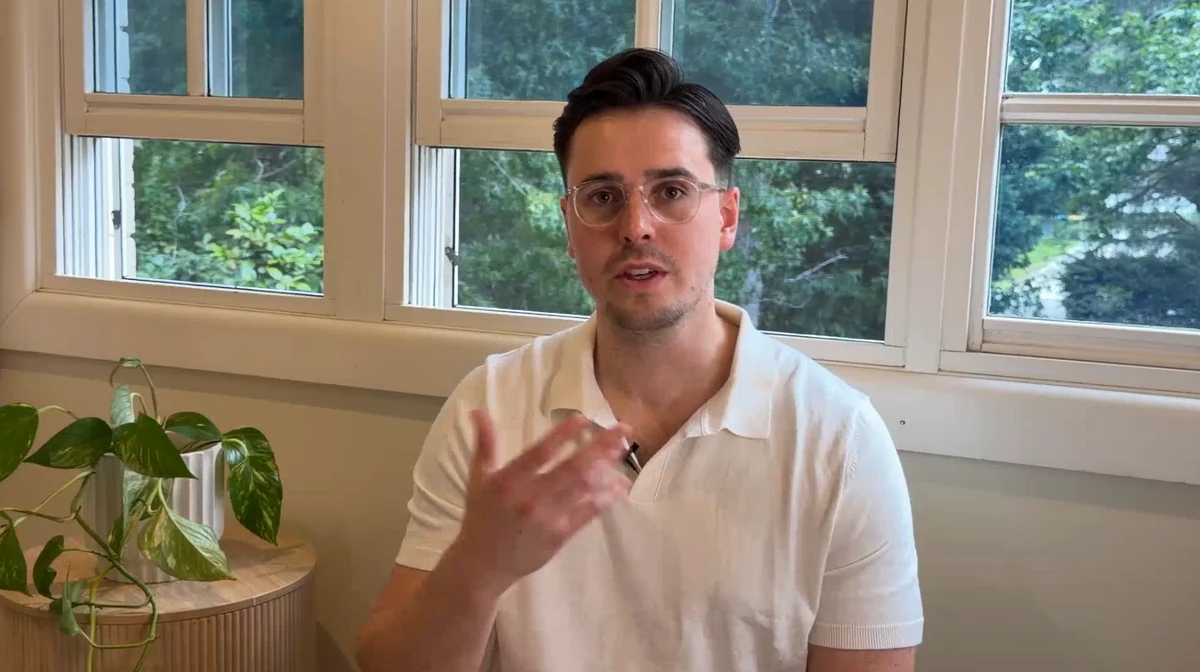
Meet James in 2 minutes
A warm, evidence-based approach
James Wightman is the Principal Psychologist and Clinical Psychology Registrar providing therapy for adults on the Central Coast and in Hornsby. He offers a warm, collaborative, and evidence-based approach, helping clients build practical strategies that support meaningful and lasting change, including for chronic and anxiety-related insomnia.
He has worked across Queensland Health, Aurora Healthcare, Griffith University Psychology Clinic, and private practice in Sydney, the Gold Coast, and the Central Coast.
Good therapy should be structured, respectful, and supportive in a way that helps you move forward. You'll leave sessions with something practical to try, and we'll work at a pace that feels manageable for you.
Many of my clients are men, though I work with adults of all genders. If you're specifically looking for a male psychologist, I provide a grounded, collaborative approach that respects your pace and goals.
Learn more about James's approach →What happens in your first few appointments
The early sessions are about understanding your personal sleep–anxiety pattern and beginning to build practical strategies at a pace that feels manageable.
Understanding your sleep pattern
We begin by mapping your current sleep pattern, including bedtime routines, night-time worries, safety behaviours, and how your day is affected. The goal is a clear formulation so it stops feeling random.
By the end of this session, or early in the second, we usually introduce the first practical strategies so you have something useful to take away immediately.
Calming the system, breaking the loop
Together, we target the specific points that keep the anxiety–sleep loop running: hyperarousal, sleep-related safety behaviours, bedtime fear, and the performance pressure around sleep itself.
You'll learn how to respond differently to "what if I don't sleep?" thoughts, reduce monitoring, and rebuild the association between bed and rest.
Most people benefit from a focused block of 6–12 sessions, with longer support where insomnia sits alongside entrenched anxiety, burnout, or trauma. Meaningful improvement often begins within a few weeks, once arousal and safety behaviours start to shift.
Insomnia therapy across the Central Coast and in Hornsby
MindSure Psychology is based in Gosford CBD (Suite 112, 159 Mann St, inside John's Place), making it easy to access from across the Central Coast. In-person sessions are also available at our Hornsby location, serving clients across the Upper North Shore including Wahroonga, Waitara, Asquith, Normanhurst, and Thornleigh.
Gosford appointments: Wed–Fri 11:30am–7:30pm
People often search for sleep support in their own suburb: for example, 'insomnia psychologist Erina', 'sleep therapy Terrigal', or 'CBT-I Woy Woy'. Many clients choose Gosford because it's centrally located with flexible appointment times, including daytime and evening sessions.
Telehealth, anywhere in Australia
Telehealth works particularly well for insomnia and anxiety-related sleep work: the focus is on patterns, behaviours, and nervous system regulation, all of which translate easily to secure video sessions. Many clients prefer it for evening appointments without the drive home.
- No travel time required
- Same evidence-based approach
- Medicare rebates apply
Transparent pricing
$138.45 per session
Out-of-pocket cost with a Medicare rebate
Full session fee is $240 per 50-minute appointment. A Medicare rebate of $101.55 applies with a GP Mental Health Treatment Plan.
Common questions
Questions people commonly ask before getting started with insomnia therapy at MindSure Psychology.
How quickly can I get an appointment?⌃
You can check live availability and book directly online, or call (02) 4313 1656.
Do I need a GP referral?⌃
No. You can self-refer. A GP Mental Health Treatment Plan is only needed if you want to claim Medicare rebates.
Does my Mental Health Treatment Plan expire?⌃
No. Your Mental Health Treatment Plan doesn't expire, so you can start using it at any time, even if it was written a while ago. Medicare rebates are capped at 10 sessions per calendar year, and the cap resets each January. You can read more on healthdirect.
Is insomnia covered by a Mental Health Treatment Plan?⌃
Yes. 'Sleep problems' is one of the named conditions on the Better Access list GPs use for Mental Health Treatment Plans: see question 3 of the GP mental health standards body's Medicare FAQ. The Australasian Sleep Association's guideline for GPs states that insomnia is an eligible condition for a plan, and in 2021 Medicare confirmed to sleep researchers that chronic insomnia qualifies in its own right, not only as a symptom of anxiety or depression.
Your GP can write a plan for insomnia alone, and the Medicare rebate then applies to CBT-I sessions here. If your GP is unsure, I'm happy to speak with them.
Is this CBT-I?⌃
Yes. CBT-I (Cognitive Behavioural Therapy for Insomnia) is the most evidence-based treatment for chronic insomnia, and it's what I use. CBT-I is a package rather than a single technique: it involves bedtime restriction, stimulus control, relaxation training, cognitive therapy for sleep-related thoughts, and psychoeducation about sleep and healthy sleep habits.
Where insomnia is strongly anxiety-driven, I adapt how those components are paced and sequenced, spending more time on the anxiety–sleep cycle and less on sleep rules applied for their own sake.
Are you trained in CBT-I?⌃
Yes. I completed the Australian Psychological Society's certified skills course in CBT for insomnia, developed with the Australasian Sleep Association, and I'm listed on the Association's CBTi provider directory and on the CBT-I International Directory run by the University of Pennsylvania's Behavioral Sleep Medicine Program.
If your GP or sleep physician wants to check, the Australasian Sleep Association directory is the list they are pointed to when looking for a CBT-I provider.
Is medication required for insomnia?⌃
No. Many people experience significant improvement through psychological treatment alone, particularly when insomnia is driven by anxiety and hyperarousal. Where medication is part of someone's care, therapy can be provided alongside support from a GP or psychiatrist.
Will therapy tell me exactly how many hours I need?⌃
No. The focus is on restoring confidence and flexibility around sleep, not enforcing hour targets. Rigid sleep targets often fuel anxiety rather than resolving it.
Can therapy help if my sleep has been disrupted for years?⌃
Yes. Chronic insomnia is often maintained by the same mechanisms as more recent insomnia: hyperarousal, safety behaviours, and fear around sleep. Targeting these directly can shift long-standing patterns, even after years of poor sleep.
Do you offer telehealth?⌃
Yes. Telehealth is highly effective for insomnia and anxiety-related sleep work: the behavioural and cognitive strategies translate directly to video sessions.
My GP referral is addressed to another psychologist. Is that okay?⌃
Yes, that's completely fine. If you have a valid GP Mental Health Treatment Plan, you can still attend sessions at MindSure Psychology and claim Medicare rebates, even if the referral is addressed to a different psychologist or practice. This is very common.
Have a question that isn't covered here? See our full FAQs.



Book your first session
You don't need a perfect bedtime routine to get started. If sleep anxiety is affecting your mood, concentration, work, or relationships, support can help you break the cycle and regain confidence around sleep.