


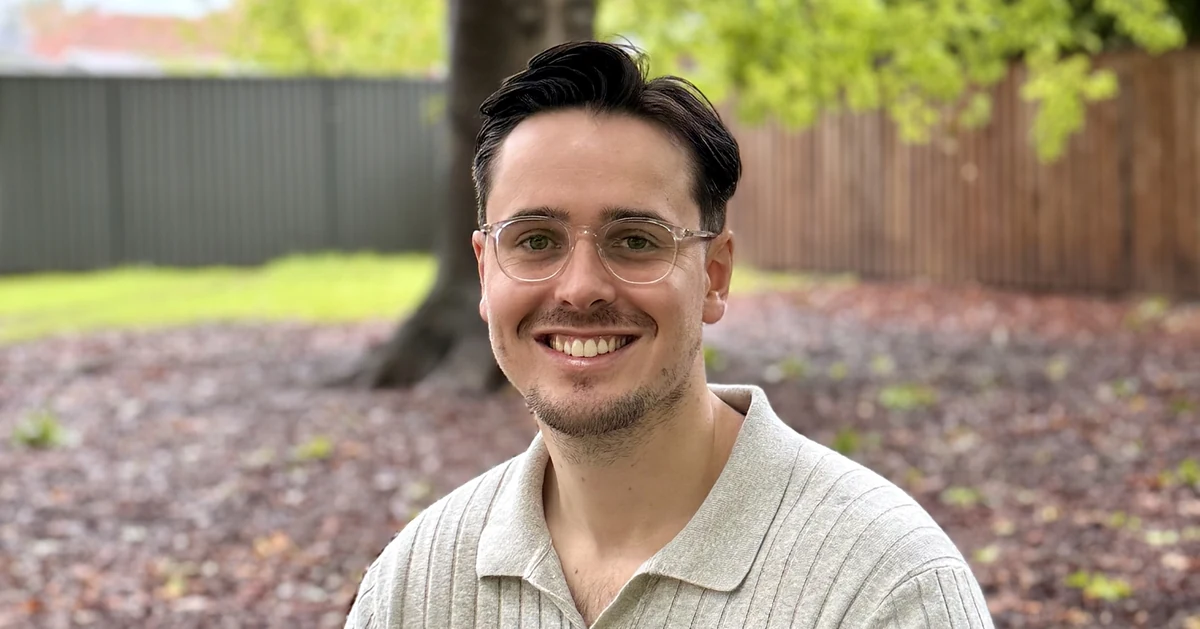
Male psychologist on the Central Coast
Practical, evidence-based therapy for adults, in Gosford, Hornsby, or via telehealth. Straightforward, structured, and focused on real-world change.
Practical, evidence-based therapy for adults, in Gosford, Hornsby, or via telehealth. Straightforward, structured, and focused on real-world change.




Practical, evidence-based therapy, without the performance
If you're looking for a male psychologist, whether for yourself, your partner, or someone you care about, I provide practical, evidence-based therapy at MindSure Psychology in Gosford, supporting adults from across the Central Coast, including Erina, Terrigal, Woy Woy, Wyoming, Narara, Kariong, and surrounding suburbs.
Therapy here is structured, direct, and focused on real-world change, while still making space for what's actually going on underneath the surface. You don't need to have it all figured out before the first appointment. We start where you are and build from there.
Sessions are available in-person in Gosford, in Hornsby, or via telehealth anywhere in Australia.
Ready to start? You can book online, or view Fees & Rebates for Medicare rebate information.

You can book online in under 2 minutes, or call if you'd prefer.
Check availability →Why some people prefer a male psychologist
Some people don't mind the gender of their psychologist. Others feel more comfortable talking with a male psychologist, and that preference is valid.
Common reasons include:
- It feels easier to speak plainly without worrying about being judged.
- Wanting to talk about masculinity, identity, or shame with someone who may "get it".
- Past experiences where you didn't feel understood, and you want a different fit.
- Space to unpack anger, control, competitiveness, or self-criticism without being labelled.
- Dealing with relationship or sexual concerns and wanting to reduce awkwardness.
- Wanting practical strategies and a clear plan, rather than just "talking".
The most important thing isn't the clinician's gender; it's whether you feel safe enough to be honest and whether the approach actually helps.
How mental health often shows up in men (and gets missed)
Men don't always present with "sadness" or obvious anxiety. Often it looks like:
- Irritability, anger, or a short fuse
- Shutting down, avoiding conversations, or withdrawing socially
- Overworking and feeling unable to switch off
- Restlessness, tension, or feeling constantly "wired"
- Using alcohol, gaming, porn, gambling, or food to numb or escape
- Sleep problems (difficulty falling asleep, waking early, light sleep)
- Low motivation, "flatness", or losing interest in things
- Relationship conflict and feeling misunderstood or criticised
- Physical symptoms: tight chest, gut issues, headaches, fatigue, chronic pain
- Perfectionism and harsh self-judgement ("I should be able to handle this")
"I'm not good at talking." Can therapy still work?
Four things men often worry about before booking, answered directly.
- Start with what's been happening and what's currently hardest
- Identify patterns: triggers, thoughts, body sensations, behaviours, and consequences
- Work towards specific outcomes (sleep, confidence, panic reduction, fewer blow-ups, better communication, less avoidance)
What we might actually work on
If one or more of these resonates, you don't need to work it out alone. Tap any area to learn more.
Stress, burnout & "I can't switch off"
A lot of men come in feeling constantly "on" (busy, responsible, pressured) but internally running on fumes.
Therapy may focus on:
- Reducing overwork and over-responsibility patterns
- Downshifting the nervous system (without needing to meditate for an hour)
- Boundary-setting at work and home
- Rebuilding recovery time and meaningful activities
- Addressing perfectionism and chronic self-pressure
Anxiety, panic & physical symptoms
Many men experience anxiety as physical sensations rather than worry: chest tightness, racing heart, gut symptoms, dizziness, breathlessness, or feeling "keyed up".
Therapy may focus on:
- Understanding the anxiety cycle (avoidance, safety behaviours, reassurance loops)
- Skills for responding differently to bodily sensations
- Building confidence through gradual behavioural change
- Targeted exposure where appropriate (paced and planned)
Trauma, hypervigilance & emotional shutdown
Some men don't describe trauma as "trauma". They describe:
- Being constantly on edge
- Scanning for threats
- Being easily startled
- Feeling numb, shut down, or detached
- Irritability and avoidance
Therapy may include stabilisation skills, processing where appropriate, and helping your nervous system learn that the danger is not happening now.
OCD & intrusive thoughts
Many men experience intrusive thoughts and feel ashamed or scared of what their mind produces, often misunderstanding thoughts as meaning something about their character.
Therapy typically focuses on:
- Understanding how OCD operates (and why reassurance makes it worse)
- Reducing compulsions and avoidance
- Exposure and Response Prevention (ERP) or CBT-based approaches, where appropriate
Relationships, anger & communication
Often the presenting problem is conflict: arguments, distance, mismatched needs, recurring resentment, or feeling criticised.
Therapy may focus on:
- Identifying the emotions underneath anger (often fear, shame, hurt, helplessness)
- Interrupting escalation patterns
- Building communication skills that actually work under stress
- Values-based decisions (the kind of partner, father, or man you want to be)
Not sure what's going on, or a mix of things
It's very common to recognise parts of several areas, or to know something isn't right but not have a label for it. Therapy helps make sense of what's happening and find a way forward that fits you. You don't need a clear label to start.
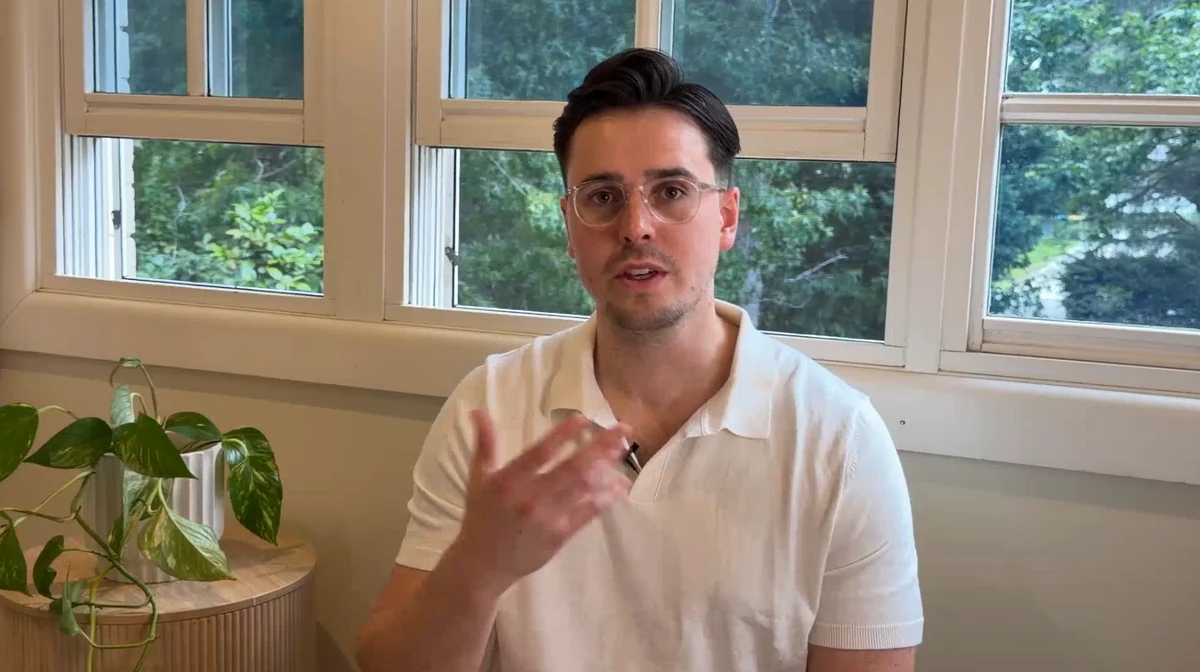
In this short video, James explains how therapy works at MindSure, the approach he takes, and what to expect.
A warm, direct, evidence-based approach
James Wightman is the Principal Psychologist and Clinical Psychology Registrar providing therapy for adults on the Central Coast and in Hornsby. He offers a warm, collaborative, and evidence-based approach, helping clients build practical strategies that support meaningful and lasting change.
He has worked across Queensland Health, Aurora Healthcare, Griffith University Psychology Clinic, and private practice in Sydney, the Gold Coast, and the Central Coast.
Good therapy should be structured, respectful, and supportive in a way that helps you move forward. You'll leave sessions with something practical to try, and we'll work at a pace that feels manageable.
Learn more about James's approach →The first session, and how you'll know it's working
Straight answers, not marketing, so you know what you're walking into and what changes to expect over time.
What actually happens
A first appointment is usually about getting clarity and building a plan. We'll typically cover:
- What brought you in now: what's changed or hit a limit
- What you want to be different, in practical, real-world terms
- A brief history of the problem (when it started, what keeps it going)
- How it shows up day-to-day (work, relationships, sleep, behaviour)
- Current coping strategies: what helps short-term vs what costs you long-term
- A treatment approach tailored to your goals
By the end, you should leave with a clearer understanding of what's going on, and usually one or two strategies to begin straight away.
How to know therapy is working
Progress is rarely a sudden "fix". It's usually a set of measurable shifts over time, such as:
- You're less reactive, or recover faster after being triggered
- You're avoiding less, doing more of what matters
- Sleep improves, even slightly
- Panic symptoms reduce in frequency or intensity
- You feel more in control of attention (less rumination)
- Relationships become less tense, more honest, or more stable
- Work feels more manageable, not constantly threatening
- You're making decisions from values rather than fear
Progress can happen even if you still feel anxious or uncomfortable at times; the real change is how you respond.
Supporting men across the Central Coast
MindSure Psychology is based in Gosford CBD (Suite 112, 159 Mann St, inside John's Place), making it easy to access from across the Central Coast.
I regularly see adults travelling in from nearby suburbs, including:
Flexible in-person or telehealth
If you're within a short drive of Gosford and looking for a male psychologist on the Central Coast, sessions are available in person or via telehealth.
Gosford appointments: Wed–Fri 11:30am–7:30pm
In-person sessions are also available at our Hornsby location, serving men from Wahroonga, Waitara, Asquith, Normanhurst, Thornleigh, and Berowra.
Telehealth available anywhere in Australia
A practical option if you're working long hours, travelling, or just prefer the convenience of not having to drive after work.
Transparent pricing
$138.45 per session
Out-of-pocket cost with a Medicare rebate
Full session fee is $240 per 50-minute appointment. A Medicare rebate of $101.55 applies with a GP Mental Health Treatment Plan.
Common questions
Quick answers to what men most commonly ask before booking.
Do I need a GP referral to see a psychologist?⌃
No. You can book without a referral. If you'd like a Medicare rebate, you'll usually need a GP appointment for a Mental Health Treatment Plan.
Do you offer Medicare rebates?⌃
If you have a valid GP Mental Health Treatment Plan and referral, you may be eligible for a Medicare rebate. Details are on the Fees & Rebates page.
Does my Mental Health Treatment Plan expire?⌃
No. Your Mental Health Treatment Plan doesn't expire, so you can start using it at any time, even if it was written a while ago. Medicare rebates are capped at 10 sessions per calendar year, and the cap resets each January. You can read more on healthdirect.
My MHTP is addressed to another psychologist. Is that okay?⌃
Yes. In most cases, you can still use a valid GP Mental Health Treatment Plan even if it's addressed to a different psychologist. As long as the referral is current and you consent to seeing a different provider, Medicare rebates are usually still available.
How many sessions do men usually do?⌃
It varies. Some men come for short-term focused work (for example, 4–8 sessions). Others prefer a longer approach, particularly if the issue has been present for years or involves trauma. The aim is to be purposeful, not to keep you in therapy unnecessarily.
Is therapy confidential?⌃
Yes, with standard limits (such as immediate risk of harm, child safety, or legal requirements). If confidentiality is relevant to your situation, we'll talk it through clearly. Records are stored securely in line with Australian Privacy Principles.
Do you offer telehealth?⌃
Yes. Telehealth can be a good option if you're working long hours, travelling, or you'd simply prefer the convenience.
Can therapy help with anger?⌃
Often, yes. Anger is frequently the "top layer" emotion, with stress, shame, fear, hurt, or helplessness underneath. Therapy can help reduce escalation and support more aligned responses.
I'm functioning, but I don't feel good. Is that serious enough?⌃
If your mental health is affecting your sleep, relationships, work performance, coping, or enjoyment of life, it's enough. You don't need to hit rock bottom to benefit from support.
Have a question that isn't covered here? See our full FAQs.


MindSure Psychology is a proud community partner and sponsor of local sporting clubs.



Book your first session
You don't need to have it figured out before the first appointment. We start where you are and build from there.