

Psychologist on the Central Coast
In-person in Gosford · Telehealth across NSW
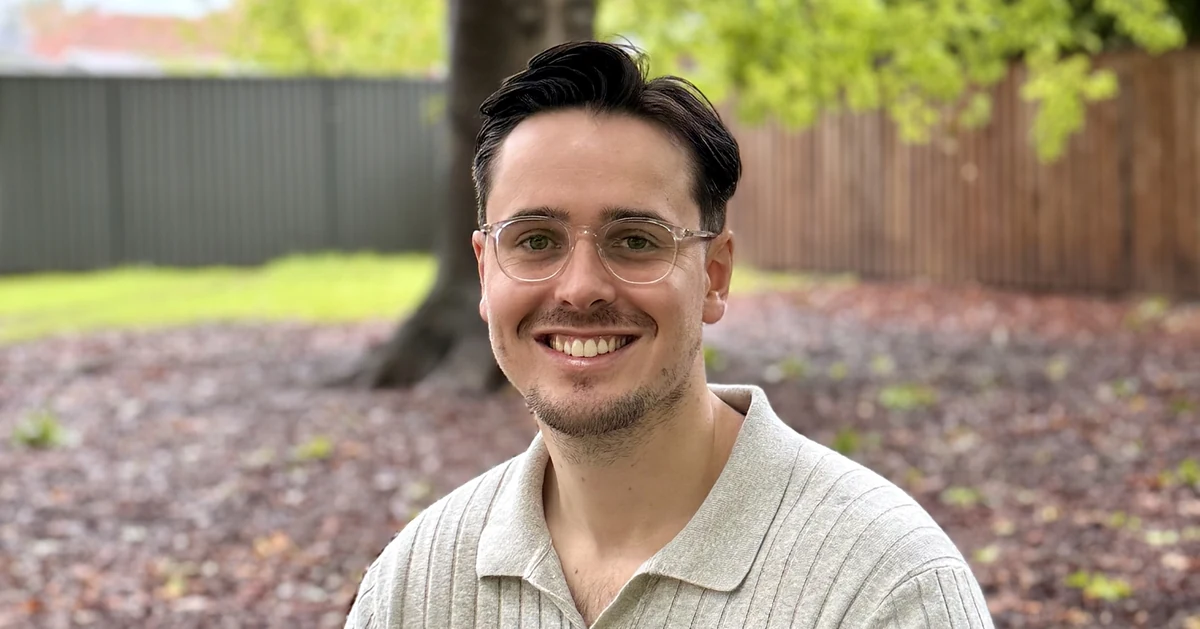
Evidence-based therapy for anxiety, trauma, OCD, stress, burnout and more, for adults in Gosford and across the Central Coast.



Evidence-based therapy for adults on the Central Coast
MindSure Psychology is a private practice in Gosford providing individual therapy for adults across the Central Coast.
Whether you're experiencing anxiety, trauma, low mood, burnout, or challenges related to autism or ADHD, therapy offers a safe and collaborative space to understand what's happening and work towards meaningful change.
Therapy is collaborative, structured enough to feel purposeful, and flexible enough to adapt to the realities of work, family, health issues and long commutes.
If this sounds like what you've been looking for, you can check availability or book a first session.
Telehealth: Available anywhere in NSW or Australia.
Hornsby: In-person sessions also available at our Hornsby clinic.
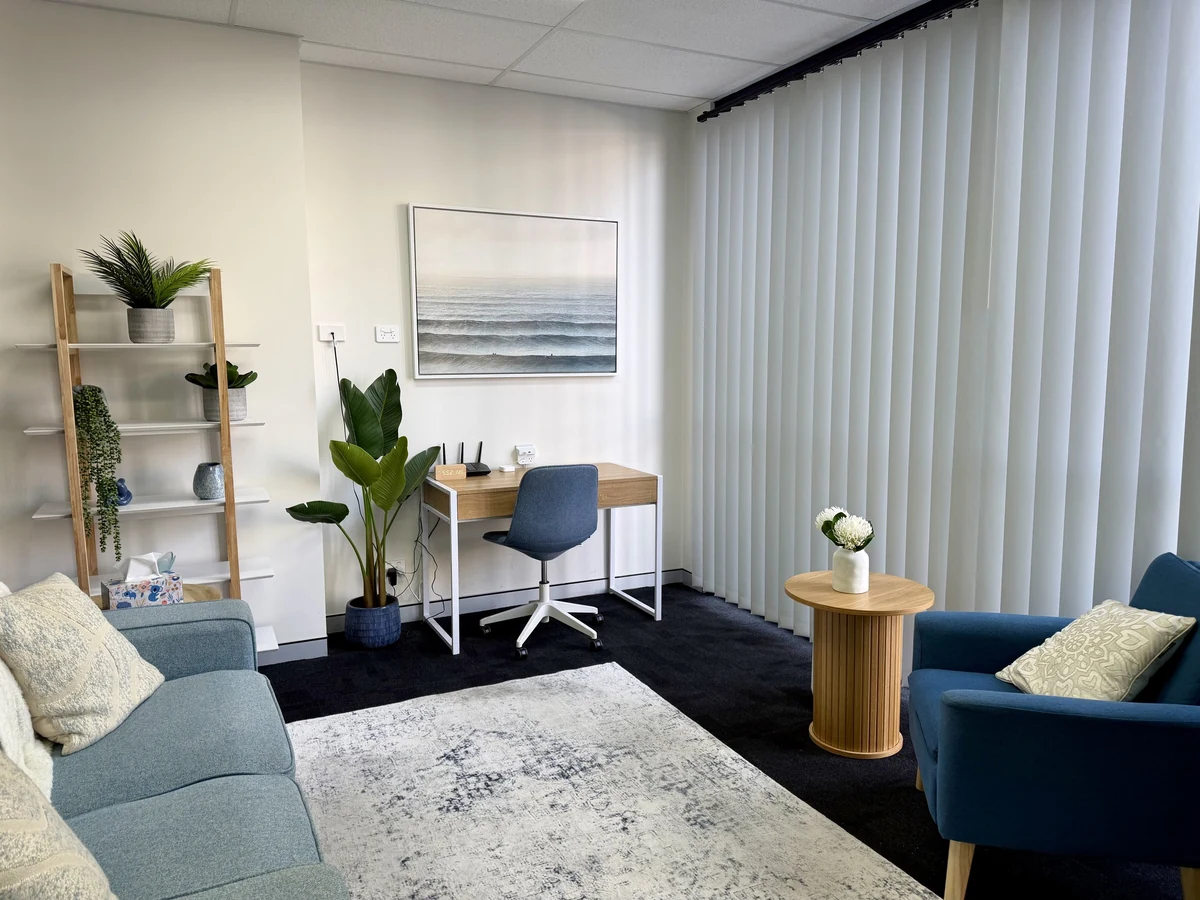
Conditions and difficulties I commonly work with
People usually contact a Central Coast psychologist when life has become harder than it needs to be, despite their best efforts to cope. If one or more of these areas resonate, you don't need to work it out alone, and you don't need to wait until things are "really bad" to reach out.
Anxiety, worry, and panic attacks
Racing thoughts, tension, overthinking, or sudden waves of panic. You might feel constantly on edge, avoid situations "just in case", or find yourself seeking reassurance without relief.
- Generalised worry
- Panic attacks
- Health anxiety
- Performance anxiety
- Phobias
- Insomnia
Trauma and PTSD
Intrusive memories, nightmares, hypervigilance, or emotional numbness after something overwhelming. You may feel unsafe in your own body, avoid reminders, or notice strong reactions that feel out of proportion.
- Flashbacks & nightmares
- Hypervigilance
- Emotional numbing
- Avoidance
Depression and low mood
Feeling flat, empty, or disconnected from things that once mattered. You may be going through the motions, withdrawing from people, or struggling with motivation and energy.
- Persistent low mood
- Loss of interest
- Fatigue
- Withdrawal
OCD and intrusive thoughts
Unwanted thoughts, mental images, or urges that feel disturbing, often followed by rituals, checking, or mental reviewing. OCD can attach to almost anything and can be deeply distressing.
- Intrusive thoughts
- Compulsive checking
- Mental rituals
- Contamination fears
Stress, burnout, and perfectionism
Pushing yourself relentlessly, never feeling "good enough", or running on fumes. Perfectionism and chronic stress can quietly erode energy, sleep, and relationships before you realise how depleted you've become.
- Chronic overwork
- Perfectionism
- Emotional exhaustion
- Loss of balance
Phobias and specific fears
An intense fear response to specific situations or objects: flying, needles, driving, heights, animals, or medical procedures. Avoidance can quietly shrink your world over time.
- Flying & heights
- Needles & medical
- Driving
- Animals & insects
Social anxiety, confidence, and assertiveness
Fear of judgement, difficulty speaking up, or avoiding social situations. This can show up as over-preparing, replaying conversations, or quietly reshaping your life around what feels "safe".
- Fear of judgement
- Difficulty saying no
- Self-doubt
- Avoidance
Insomnia and sleep difficulties
Difficulty falling asleep, staying asleep, or waking unrefreshed, often fuelled by anxiety, racing thoughts, or unhelpful sleep habits that have built up over time.
- Sleep onset difficulty
- Night waking
- Racing mind
- Daytime fatigue
ADHD-related challenges
Procrastination, overwhelm, time blindness, or "inconsistent" motivation despite being capable. Many adults with ADHD also experience emotional reactivity, rejection sensitivity, and burnout.
- Task initiation
- Time management
- Overwhelm
- Emotional dysregulation
Autism and related difficulties
Sensory overload, social fatigue, masking, or identity questions. Support focuses on understanding your nervous system and strengths, not forcing yourself into a one-size-fits-all way of coping.
- Sensory sensitivity
- Masking & burnout
- Social navigation
- Identity
It's a mix of things, or I'm not sure
It's very common to recognise parts of several areas. Therapy helps make sense of what's happening and find a way forward that fits you; you don't need a clear label to start.
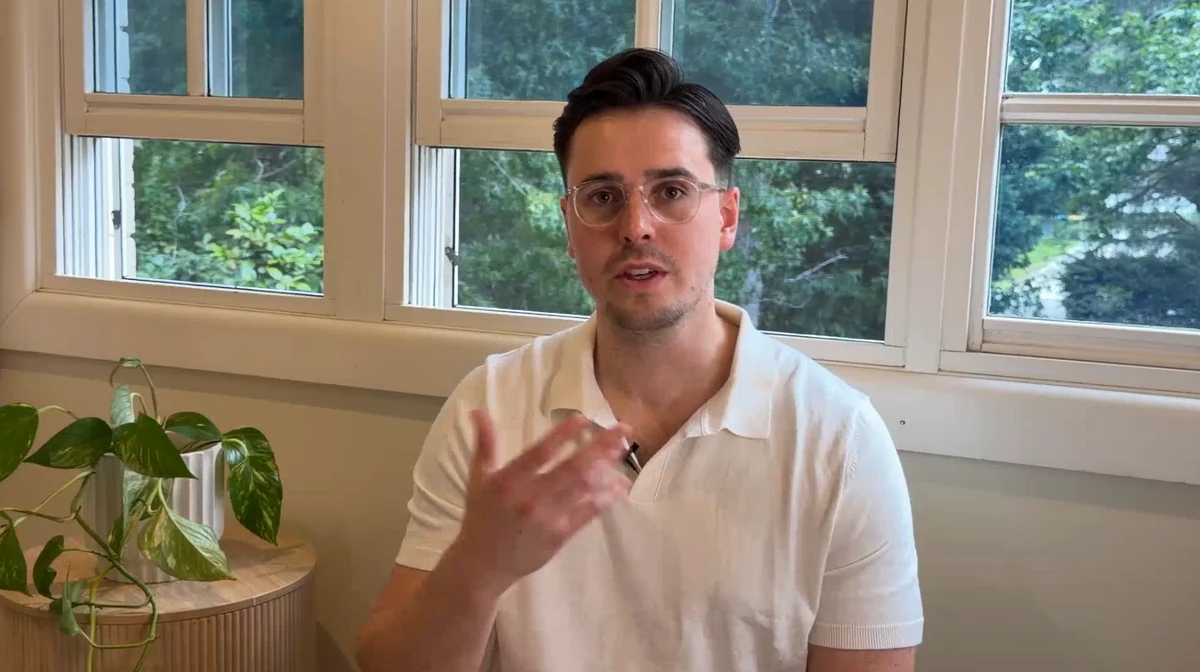
Meet James in 2 minutes: how he works and what to expect.
A warm, evidence-based approach
James Wightman is the Principal Psychologist and Clinical Psychology Registrar providing therapy for adults on the Central Coast. He offers a warm, collaborative, and evidence-based approach, helping clients build real-world strategies that support meaningful and lasting change.
He has worked across Queensland Health, Aurora Healthcare, Griffith University Psychology Clinic, and private practice in Sydney, the Gold Coast, and the Central Coast.
Good therapy should be structured, respectful, and supportive in a way that helps you move forward, not just talk. You'll leave sessions with something practical to try, and we'll work at a pace that feels manageable for you.
Some people find it easier to open up with a male psychologist, especially about anxiety, trauma, identity, or challenges at work. If you prefer a male clinician, James provides a grounded, collaborative approach that respects your pace and goals.
Learn more about James's approach →What happens in your first few appointments
Seeing a psychologist for the first time can feel daunting. The early sessions are simply about getting to know you, understanding what's been happening, and beginning the early steps towards change, at a pace that feels manageable.
Understanding your situation
We explore what has brought you in, what life has been like recently, and the symptoms or situations you're finding difficult.
We clarify what you'd like to be different over the next few months and what "improvement" would look like for you.
Towards the end of this session, or early in the second, we usually introduce the first concrete strategies so you have something useful to take away early on.
Building momentum
Together, we build a shared understanding of the difficulties and what keeps them going. We decide which areas to focus on first, for example anxiety, low mood, panic, avoidance, sleep, or stress-related patterns.
We move into structured, evidence-based therapy tailored to your goals, checking in regularly on progress and adjusting the plan as things improve.
As progress builds, we shift into relapse prevention and long-term coping strategies so gains are maintained.
Clinical psychologist or registered psychologist: what the titles mean
Many people look for a "clinical psychologist" because the title is associated with more specialised training. It helps to know that Australia has several protected psychology titles, and that a registered psychologist provides evidence-based assessment and therapy across the same range of concerns.
James is the Principal Psychologist and Clinical Psychology Registrar, a fully qualified psychologist (six years of accredited training) completing the advanced pathway toward Clinical Psychology endorsement.
In practical terms, you receive evidence-based assessment and therapy from a registered psychologist completing the Clinical Psychology Registrar Program, a structured pathway that includes advanced supervision, ongoing professional development and further training in clinical formulation and evidence-based interventions.
How to find the right psychologist on the Central Coast
People often search for the "best psychologist on the Central Coast", or for counselling or a therapist nearby, but the right fit depends on connection, comfort and approach, not rankings or titles. Here are the factors that actually matter:
Experience with your specific concerns: anxiety, trauma, burnout, OCD, or whatever you're dealing with.
Evidence-based approaches such as CBT, ACT, or EMDR.
Clear communication and a style that feels safe and collaborative.
Convenient location or flexible telehealth options, transparent fees, and a therapist you feel comfortable talking to.
For a fuller guide, see how to choose the right psychologist, or get in touch to explore whether MindSure Psychology is the right fit.
Your Gosford clinic, serving the wider Central Coast
MindSure Psychology is based in Gosford CBD (Suite 112, 159 Mann St, inside John's Place), making it easy to access from across the Central Coast.
Many clients travel from nearby suburbs, including:
Many clients travel in from across the Coast because Gosford is a central, easy-to-reach location with daytime and evening appointments.
Appointments are available:
Wed–Fri 11:30am–7:30pm
Telehealth available anywhere in Australia
Secure video sessions mean you can stay connected with your psychologist even if life gets busy, your routine changes, or you move to another part of Australia.
In-person sessions are also available at our Hornsby location, serving clients across the Upper North Shore.
Transparent pricing
$138.45 per session
Out-of-pocket cost with a Medicare rebate
Full session fee is $240 per 50-minute appointment. A Medicare rebate of $101.55 applies with a GP Mental Health Treatment Plan.
Common questions
Questions people commonly ask before getting started with therapy at MindSure Psychology on the Central Coast.
Do I need a GP referral to see you?⌃
No. You can self-refer by contacting MindSure Psychology directly or booking online. A GP Mental Health Treatment Plan is only required if you would like to claim Medicare rebates.
Does my Mental Health Treatment Plan expire?⌃
No. Your Mental Health Treatment Plan doesn't expire, so you can start using it at any time, even if it was written a while ago. Medicare rebates are capped at 10 sessions per calendar year, and the cap resets each January. You can read more on healthdirect.
My referral is addressed to another psychologist. Is that okay?⌃
Yes, that's completely fine. If you have a valid GP Mental Health Treatment Plan, you can attend sessions at MindSure Psychology and claim Medicare rebates, even if the referral is addressed to a different psychologist or practice. This is very common.
How quickly can I get an appointment?⌃
The online booking portal shows live availability, so the soonest open appointment is always shown there before you book. You can book online anytime, or call (02) 4313 1656.
What can I expect in my first session?⌃
Your first session focuses on understanding your background, current concerns, and what you'd like to work towards. Together, we begin forming a clear, evidence-based plan tailored to your goals. Towards the end of the first or second session, we usually introduce practical strategies so you have something useful early on.
How many sessions will I need?⌃
This depends on your situation and goals. Some people attend 6–10 sessions for a specific issue, while others benefit from longer-term work. We review progress regularly so therapy feels purposeful and aligned with what matters most to you.
Do you offer telehealth?⌃
Yes. Secure video sessions are available for clients anywhere on the Central Coast or elsewhere in Australia. Telehealth means you can stay connected with your psychologist even if your routine changes or you can't attend in person.
Are sessions confidential?⌃
Yes. Everything you share in therapy is confidential, with only rare legal or safety-related exceptions. Records are stored securely in line with Australian Privacy Principles.
What if I'm not sure my problem is "serious enough"?⌃
You don't need a formal diagnosis or a crisis to benefit from therapy. If anxiety, mood, stress, or past experiences are affecting how you live, work, or relate to others, it's worth having a conversation. Many people start therapy feeling unsure; this is very common.
Do you offer counselling, or is it psychology?⌃
As a registered psychologist and Clinical Psychology Registrar, James provides evidence-based talking therapy for individual adults, which many people simply call counselling. Psychology and counselling overlap a great deal here; the aim is the same, to understand what is happening and build practical, lasting ways forward. Sessions are one-to-one, so this is individual therapy rather than couples, relationship, or family counselling.
Why aren't there any reviews or testimonials on this website?⌃
You won't find client testimonials or star ratings here, and that's deliberate. As a registered health practice, MindSure follows the AHPRA advertising guidelines, which don't allow health services to publish testimonials about care. It isn't a reflection of client feedback, it's a professional standard we're glad to keep. If you'd like a feel for how we work before booking, the About page and the short videos across the site are the best place to start.
Have a question that isn't covered here? See our full FAQs.



MindSure Psychology is a proud community partner and sponsor of local Central Coast sporting clubs.



Book your first session with a Central Coast psychologist
It's completely normal to feel unsure about starting therapy; we'll take it at your pace.