


NDIS psychology on the Central Coast
Goal-aligned, evidence-based psychological support for adult NDIS participants, in-person in Gosford, Hornsby, or via telehealth anywhere in Australia.
Goal-aligned, evidence-based psychological support for adult NDIS participants, in-person in Gosford, Hornsby, or via telehealth anywhere in Australia.




Practical, goal-aligned psychology for adult NDIS participants
Finding an NDIS psychologist who actually understands how your plan works, and whose therapy translates into changes you can use in daily life, can feel harder than it should.
At MindSure Psychology, NDIS support is practical, skills-focused, and directly linked to your NDIS goals. The focus is on building capacity in the areas that affect your day-to-day (emotional regulation, anxiety, participation, routines, communication, and confidence) rather than open-ended talk therapy without a clear direction.
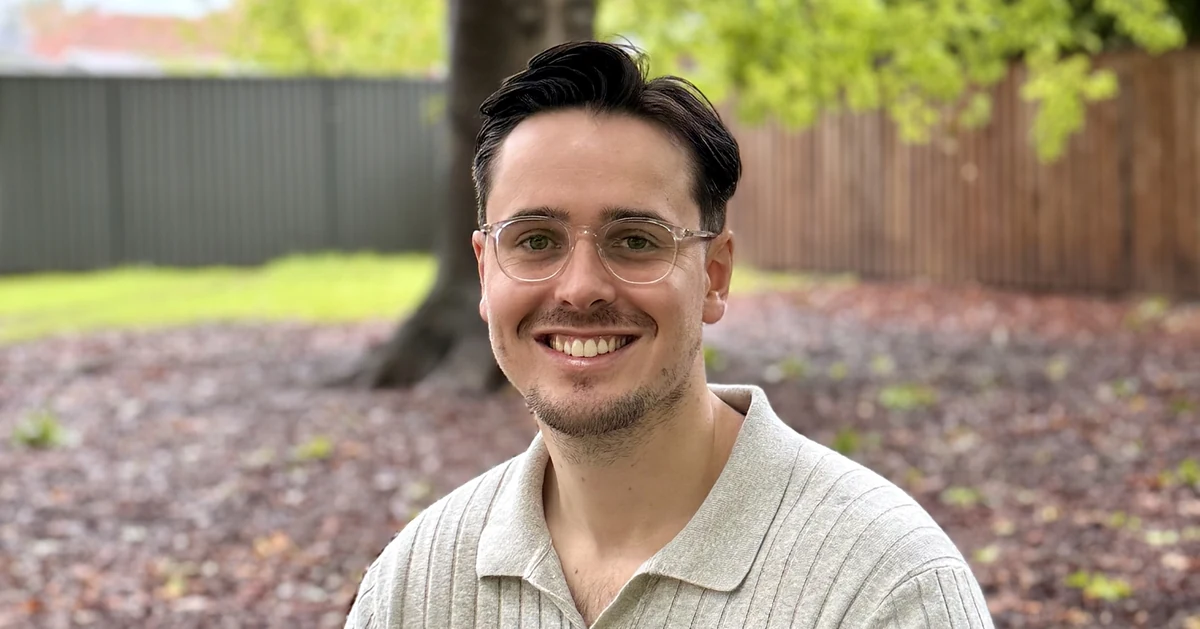
I'm James Wightman, a registered psychologist supporting adult NDIS participants from across the Central Coast, including Erina, Terrigal, Woy Woy, Wyoming, Kariong, and surrounding suburbs. Sessions are also available at our Hornsby location and via telehealth anywhere in Australia.
Ready to start? Book online, or get in touch if you'd like help confirming suitability first.

Adult NDIS participants ready for practical, goal-aligned work
NDIS psychology support at MindSure tends to suit adults who want something structured, collaborative, and tied directly to what's getting in the way of day-to-day life:
- Autistic adults navigating sensory overwhelm, social fatigue, masking burnout, or identity questions, wanting support that respects how your nervous system actually works
- Adults with psychosocial disability, where anxiety, trauma, mood, or other mental health conditions meaningfully affect participation, independence, or daily functioning
- People who want support that links clearly to NDIS goals, not open-ended therapy without a direction
- Adults navigating disability-related stress, adjustment, burnout, or identity impacts, where psychology sits alongside other supports
- Participants who prefer evidence-based, skills-focused therapy with practical strategies to use between sessions
The kinds of outcomes therapy can support
Every plan is different, but the goals NDIS psychology most often links to include:
Six common areas where NDIS psychology makes a practical difference
Every plan is different, but the capacity-building work under NDIS psychology usually falls into a handful of areas. Tap any area to see what therapy actually involves and what it typically targets.
Autism-specific supportSensory overwhelm · masking burnout · identity
Support for autistic adults that's affirming rather than corrective, focused on working with your sensory profile, energy limits, and communication style, not forcing a neurotypical way of coping.
Common focus areas include sensory regulation, reducing masking fatigue, post-burnout recovery, and navigating environments that weren't built for autistic nervous systems.
- Sensory planning
- Masking & burnout
- Identity support
- Social energy
Emotional regulationManage big emotions without escalation
Practical skills for when emotions move faster than you can catch them: strong reactions, shutdowns, meltdowns, or waves of overwhelm that derail the rest of the day.
Therapy focuses on understanding what sets off your specific pattern, what's happening in your nervous system, and what genuinely helps you return to baseline, so it's less about suppression and more about regulation.
- Distress tolerance
- Early-warning signs
- Coping plans
- Self-soothing
Anxiety & participationReduce avoidance, increase independence
When anxiety quietly shrinks what you do (avoiding appointments, public transport, social events, shops, or parts of your community), therapy targets the loop that keeps it going.
The goal is not to feel zero anxiety, but to build enough confidence and coping capacity that anxiety stops dictating the map of your week.
- Graded exposure
- Anxiety management
- Confidence building
- Avoidance reduction
Routines & daily functionBuild predictable structure, follow through
When motivation, task initiation, or follow-through is affected by mental health, or by disability itself, "just try harder" doesn't work. Therapy builds supports around the brain you actually have, not the one you feel you should have.
Focus sits on designing routines that stick, lowering the activation cost of tasks, and working with (rather than against) energy patterns and overwhelm.
- Routine design
- Task breakdown
- Motivation scaffolding
- Energy management
Self-advocacy, confidence & boundariesCommunicate needs, say no, hold ground
Many NDIS participants have spent years being talked over, under-heard, or shaped by systems. Therapy helps rebuild the skills to communicate clearly, set limits, and advocate for yourself, with supports, family, employers, and services.
Focus often sits on confidence, clarity, and sustainability: not becoming someone who never gets tired of advocating, but someone who can do it without it costing everything.
- Assertive communication
- Boundary scripts
- Decision-making
- Self-worth
Disability-related stress & adjustmentCope, adjust, process, recover
Adjusting to a diagnosis, grieving a version of life that didn't happen, navigating systems, or recovering from long-term burnout. These aren't character flaws; they're load, and they're workable.
Therapy offers space to process what's happened, work through identity changes, and rebuild a life that fits the person you actually are, alongside trauma work where relevant.
- Adjustment support
- Trauma processing
- Burnout recovery
- Identity work
Plan management types we can (and can't) accept
Clear at the start to save back-and-forth later. If you're not sure which management type you have, your plan manager or the NDIS portal will show it.
Self-managed
You pay your invoice directly after each session, then claim the reimbursement back from the NDIS through the participant portal.
Sessions are $252.99. Full invoicing details provided on the day.
Plan-managed
We invoice your plan manager directly, and they pay MindSure Psychology on your behalf. No out-of-pocket cost to you at the time of the session.
We'll ask for your plan manager's details when you book.
NDIA-managed (agency-managed)
MindSure Psychology is not currently registered to claim directly through the NDIA, so we're unable to accept NDIA-managed funding at this time.
If this is your situation, we can help you think through options.
Want more detail on NDIS support categories and how funding works? The NDIS's official guidance on plan management is a good starting point. For our own fee structure and Medicare rebates, see our fees page.
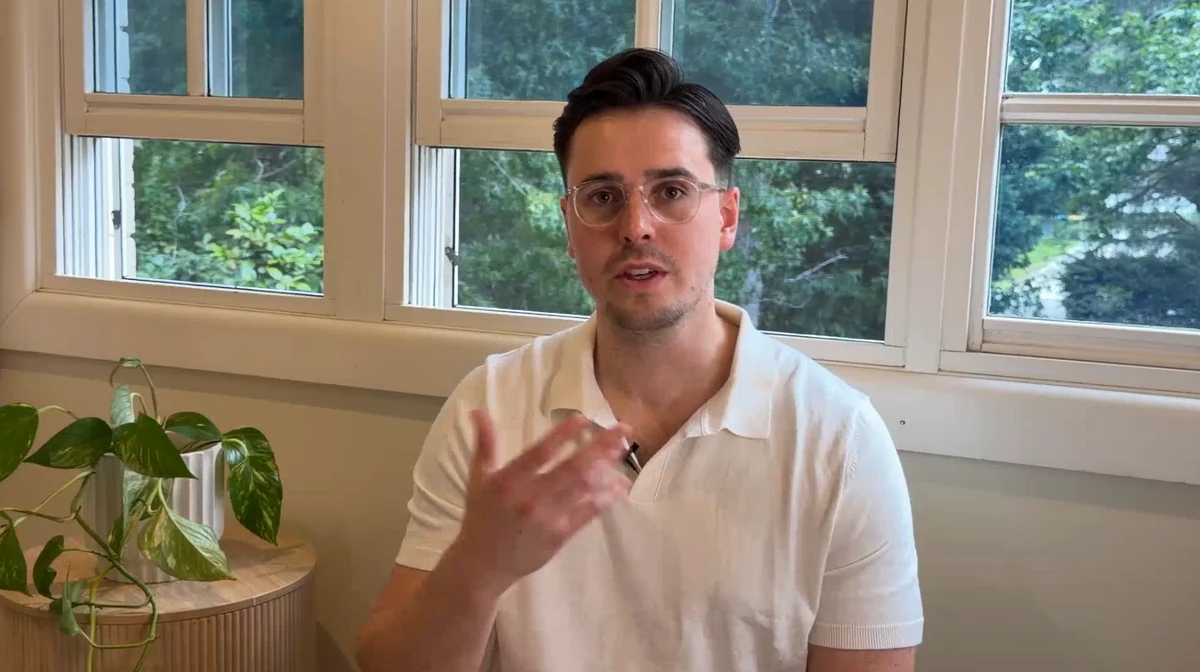
Meet James in 2 minutes: how therapy works at MindSure Psychology.
A warm, collaborative, evidence-based approach
I'm the Principal Psychologist and Clinical Psychology Registrar supporting adult NDIS participants on the Central Coast and in Hornsby. My work is warm, collaborative, and grounded in evidence-based therapies, with a strong focus on practical skills you can use in real life.
I've worked across Queensland Health, Aurora Healthcare, Griffith University Psychology Clinic, and private practice in Sydney, the Gold Coast, and the Central Coast, which means I've seen a broad range of NDIS, health, and mental health presentations.
Autism-affirming. LGBTQIA+ affirming. Respectful of your pace and how you want to work.
Learn more about my background & approach →Four things NDIS participants ask before starting
Answered directly, so you know what you're walking into.
The first session, and how we'll know it's working
Straight answers on how the work is structured and what meaningful progress usually looks like, so expectations are clear from day one.
What actually happens
The first session is about understanding you, your goals, and what's been getting in the way. We'll typically cover:
- Your current situation: what led to seeking support now
- Your NDIS goals, and how therapy can link to them
- How your disability affects daily life, in practical terms
- What's worked and what hasn't in previous support
- Sensory and communication preferences for sessions
- A practical first plan, including one or two things to try straight away
You're welcome to bring a support person if that helps. Sessions can be adapted for sensory or communication needs; just let me know what works for you.
How to tell therapy is working
Progress under NDIS psychology is rarely a sudden transformation. More often, it shows up as:
- Fewer or less intense emotional escalations
- Doing more of what matters: appointments, community, work, study
- More consistent routines that stick without constant effort
- Better recovery after a hard day, overwhelm, or meltdown
- Clearer communication of needs with supports and others
- Reduced avoidance and more flexibility in daily life
- A felt sense of more capacity, not just knowing more
We review progress together regularly. If something isn't working, we change it; therapy is meant to flex around you, not the other way around.
NDIS psychology across the Central Coast & in Hornsby
MindSure Psychology is based in Gosford CBD (Suite 112, 159 Mann St, inside John's Place), a short drive for most of the Central Coast and walkable from Gosford train station, so it's accessible for participants using public transport.
I regularly work with NDIS participants travelling in from:
In-person or telehealth, whatever fits
Sessions are available in-person at Gosford or our Hornsby location (serving Wahroonga, Waitara, Asquith, Normanhurst, Thornleigh, and Berowra), or via telehealth anywhere in Australia.
Gosford hours: Wed–Fri 11:30am–7:30pm, with daytime and evening times to fit around work, supports, or family commitments.
Telehealth available anywhere in Australia
Useful if travel, sensory load, or transport access is difficult, or if you simply prefer working from a familiar environment. Most NDIS psychology work translates well to secure video sessions.
NDIS session fees: straightforward
$252.99 per session
For plan-managed and self-managed NDIS participants
Sessions are 50 minutes. Plan-managed: invoiced directly to your plan manager. Self-managed: invoice issued to you, claim back through the NDIS portal.
Common NDIS psychology questions
Quick answers to what people most commonly ask before booking.
Do I need a referral to access NDIS psychology?⌃
No. You can self-refer using your NDIS plan; there's no GP referral needed for the NDIS side. If you'd like Medicare rebates as a separate pathway, that would require a GP Mental Health Treatment Plan.
How quickly can I get started?⌃
You can check live availability and book directly online at any time, or call (02) 4313 1656.
Can I use my plan if my goals don't mention psychology specifically?⌃
Often, yes. NDIS psychology usually links to broader capacity-building goals like managing emotional responses, increasing independence, improving daily living skills, or building social and community participation, not a specific line saying "psychology". Your plan manager can help confirm what fits.
Do you see children or adolescents?⌃
No. MindSure Psychology provides NDIS psychological support for adults only (18+).
What if I'm not sure whether I'll be eligible?⌃
Send through what you know about your plan (your management type, and ideally your stated goals) and we'll help you work out whether psychology support is likely to fit. There's no commitment in asking.
How many sessions will I need?⌃
It depends on your goals and what you're working on. Some participants benefit from a focused block of sessions to build specific skills; others use ongoing support across a plan period. We review progress together and adjust based on what's actually useful.
Is therapy autism-affirming?⌃
Yes. The approach starts from the premise that autistic nervous systems don't need "fixing"; they need environments, strategies, and supports that fit them. Read more about our autism-affirming approach.
Is everything confidential?⌃
Yes, with standard legal and safety-related exceptions. Communication with plan managers or support coordinators only happens with your written consent. Records are stored securely in line with Australian Privacy Principles.


MindSure Psychology is a proud community partner and sponsor of local sporting clubs.



Ready to get started on your NDIS goals?
If you're self-managed or plan-managed and want practical, goal-aligned psychology support, you can book online in a couple of minutes, or reach out first if you'd like help confirming suitability.