



Quick answer (for when you’re anxious and scanning)
Exposure therapy is one of the most effective treatments for anxiety. And no, you are not forced into anything overwhelming.
It’s gradual, collaborative, and designed to help you feel more in control, not less.
If anxiety, OCD, panic, or phobias have been limiting your life, structured, evidence-based support can help.
You can learn more about:
→ OCD treatment on the Central Coast
→ or broader anxiety treatment in Gosford
What is exposure therapy?
Exposure therapy is a psychological approach that helps you gradually face the situations, thoughts, or sensations you’ve been avoiding.
Avoidance makes anxiety stronger over time. Exposure works by gently reversing that pattern.
Instead of:
- avoiding the situation
- escaping the feeling
- trying to get immediate relief
you learn to:
- stay present
- allow anxiety to rise and fall
- build confidence that you can handle it
Over time, your brain learns:
“This is uncomfortable, but not dangerous.”
Why avoidance makes anxiety worse
Avoidance feels helpful in the short term.
It reduces anxiety quickly, which is exactly why it becomes a habit.
But over time, it teaches your brain:
“This situation must be dangerous, otherwise why would I avoid it?”
This creates a loop:
- Anxiety appears
- You avoid or escape
- Anxiety drops (relief)
- The brain learns avoidance = safety
- Anxiety returns stronger next time
Exposure therapy breaks this cycle.
What exposure therapy actually looks like in practice
This is where most people feel unsure, and often imagine something far more intense than reality.
Exposure therapy is:
- gradual (step-by-step, not all at once)
- collaborative (you are always in control of the plan)
- predictable (you know what’s coming)
- paced (we move at a rate that feels manageable)
You are never “thrown in the deep end.”
Example: Panic symptoms
If you’re experiencing panic attacks:
Exposure might involve:
- deliberately increasing heart rate (e.g. light exercise)
- noticing physical sensations without escaping
- learning that the sensations pass naturally
Example: OCD (intrusive thoughts)
If you’re dealing with intrusive thoughts:
Exposure might involve:
- allowing the thought to be present
- reducing reassurance or checking
- learning that thoughts don’t need to be “solved”
Example: Phobias
If you’re avoiding specific situations:
Exposure might involve:
- approaching feared situations step-by-step
- staying long enough for anxiety to reduce
- building confidence gradually
The biggest misconception about exposure therapy
Most people assume:
“I’ll be forced to face my worst fear immediately.”
That’s not how it works.
A more accurate description is:
You build a ladder, and take it one step at a time.
Each step is:
- planned
- agreed upon
- repeated until it feels easier
Only then do you move forward.
What it feels like during exposure
Let’s be honest: exposure therapy is not completely comfortable.
But it is:
- manageable
- temporary
- predictable
Anxiety typically:
- rises
- peaks
- then falls naturally
This process is what retrains the brain.
A key point many people find relieving:
The goal is not to eliminate anxiety altogether.
The goal is generally to:
- respond to anxiety differently
- gradually prevent anxiety from controlling your behaviour
Why exposure therapy works so well
Exposure therapy is considered the gold-standard treatment for many anxiety-related conditions, including:
It works because it directly targets the mechanism that keeps anxiety going: avoidance + misinterpretation of threat
Instead of trying to “think your way out” of anxiety, you experience your way through it.
What if I don’t feel ready?
This is one of the most common concerns.
And it makes sense.
Avoidance has been helping you cope for a long time; letting go of that can feel risky.
A good starting point is:
- understanding how anxiety works
- building basic coping strategies
- moving at a pace that feels realistic
You are never expected to jump straight into difficult exposures.
What changes over time
With consistent exposure work, people often notice:
- reduced intensity of anxiety
- less avoidance
- less time spent overthinking or reassuring
- increased confidence in everyday situations
- greater sense of freedom
Importantly:
the goal is not to eliminate thoughts or feelings, but to reduce their impact on your life
At MindSure Psychology
If you’re considering exposure-based therapy, it’s completely normal to feel unsure.
Many people come in thinking:
- “I don’t know if I can do this”
- “What if it’s too much?”
- “What if it makes things worse?”
What they often find is having a clear, structured plan makes things feel far more manageable than expected.
If anxiety, OCD, panic, or avoidance has been limiting your life, effective, evidence-based support is available.
You can learn more about:
Or, if you’re ready, you can
→ Book an appointment
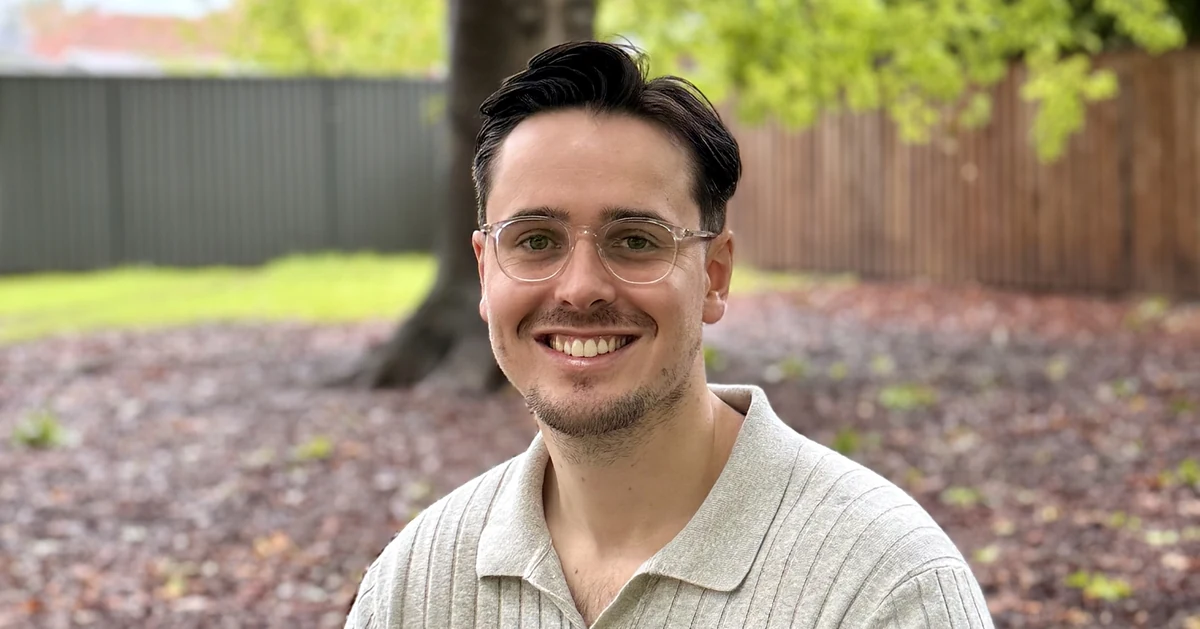
James Wightman is a registered psychologist & clinical psychology registrar based in Gosford on the NSW Central Coast. He works with adults experiencing anxiety disorders and obsessive–compulsive disorder.
Ready to talk to someone?
Evidence-based therapy for adults in Gosford, Hornsby & via telehealth across NSW.
Book an appointment →