
Panic Attacks & Panic Disorder Treatment in Gosford

Support now also available in Hornsby

Last reviewed: February 2026

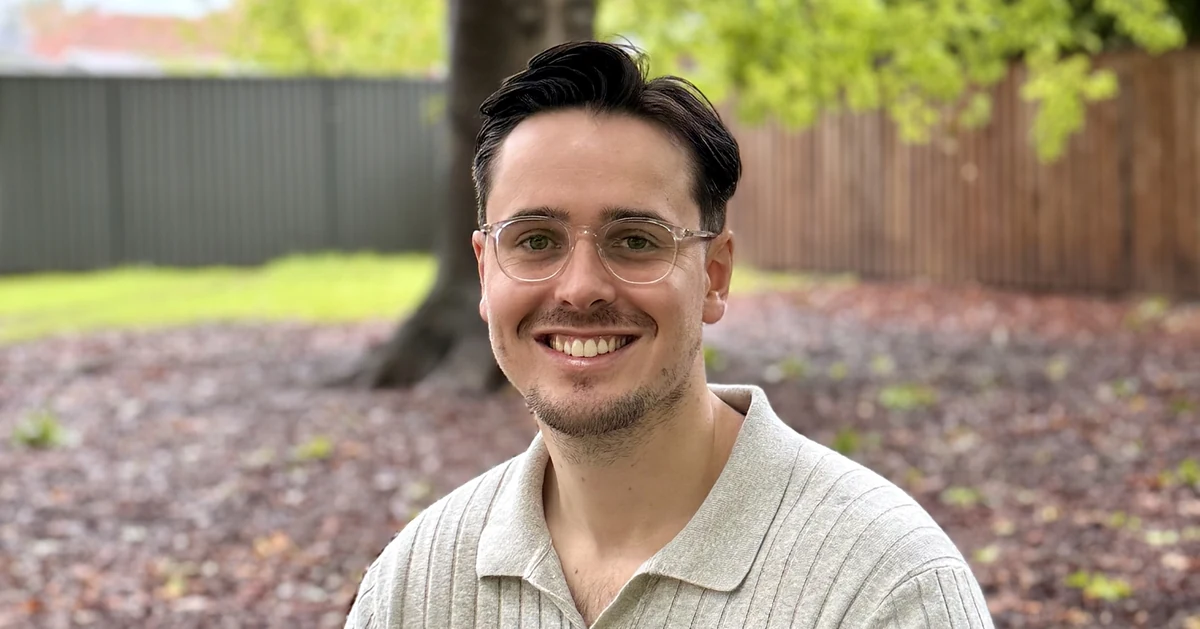
James Wightman, Gosford-based psychologist at MindSure Psychology, seated outdoors and smiling

Written by: James Wightman,
Psychologist & Clinical Psychology Registrar

James Wightman, psychologist at MindSure Psychology in Gosford, sitting outdoors and smiling

Call us: (02) 4313 1656 

How I Help with Panic Attacks

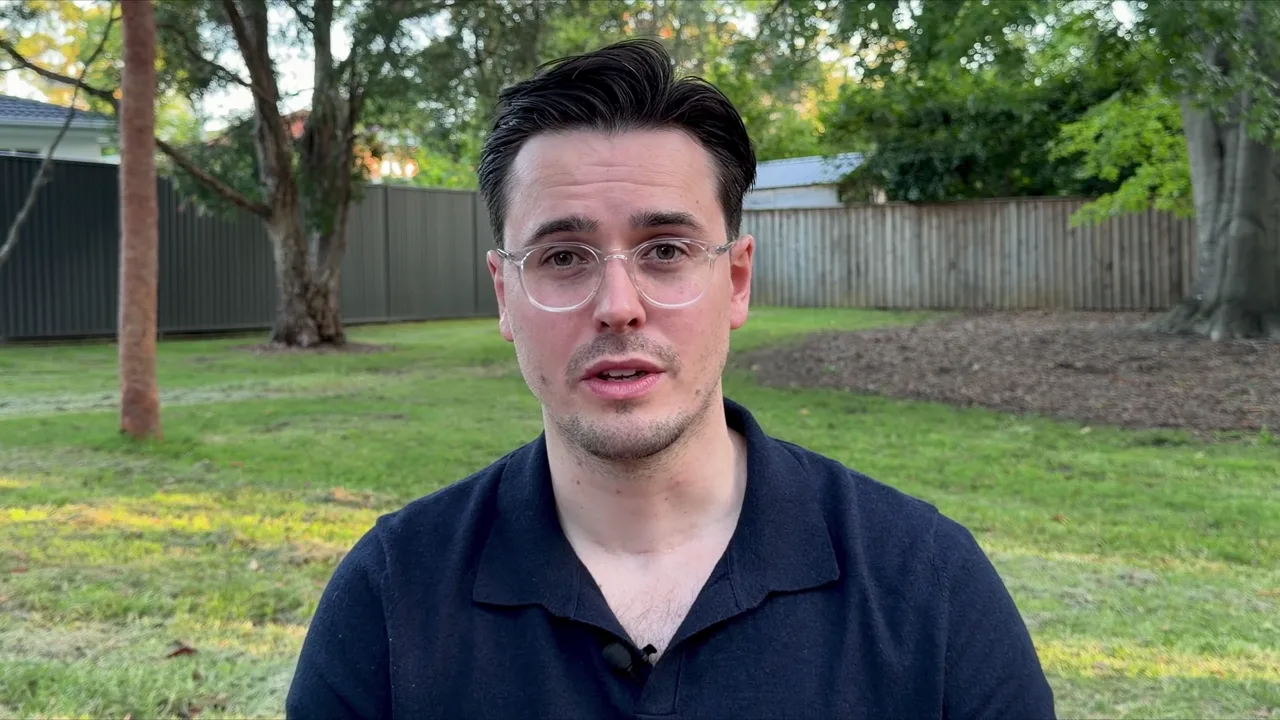
In this video, I explain how panic attacks and panic disorder are understood in therapy, how treatment is tailored to reduce fear of symptoms, and what you can expect if we work together.
Evidence-based support to help you regain control, confidence, and calm

Panic attacks can feel sudden, intense, and frightening. Many people describe a racing heart, difficulty breathing, dizziness, or a sense that something terrible is about to happen. Even though panic attacks are not dangerous, they can be overwhelming – and the fear of having another can start to take over daily life.

If you’re experiencing repeated panic attacks, avoiding situations “just in case,” or feeling constantly on alert for physical sensations, specialised treatment can help you break the cycle.

Although based in Gosford, I support adults with panic attacks and Panic Disorder from across the Central Coast, providing structured, evidence-based treatment to help you understand what’s happening in your body, rebuild confidence, and return to the activities you care about.

What Are Panic Attacks?

A panic attack is a sudden surge of intense fear or physical discomfort that peaks quickly. Symptoms commonly include:

  • Rapid heartbeat or chest tightness

  • Difficulty breathing

  • Shaking, sweating, or trembling

  • Light-headedness or nausea

  • Hot or cold flushes

  • Tingling sensations

  • A sense of detachment or unreality

  • Fear of losing control, collapsing, or dying

During a panic attack, the body’s alarm system fires as though you’re in danger – even when you’re safe. This misfire is distressing, but treatable.

When these attacks become frequent, or when a person changes their behaviour to avoid another one, it may develop into Panic Disorder.

Sunrise over ocean rocks on the Central Coast, waves flowing gently around the stone platforms

How Panic Disorder Develops

Panic Disorder usually stems from a mix of biological sensitivity, stress, and the way we interpret physical sensations.

Many people naturally notice bodily changes (like heart rate or breathlessness) more acutely. When these sensations are interpreted as dangerous — “I’m going to faint,” “I’m having a heart attack,” “I’m losing control” — anxiety spikes, which further intensifies those sensations. This can quickly spiral into a panic attack.

For some people, this fear becomes increasingly focused on bodily sensations and health-related uncertainty — a pattern often seen in health anxiety.

Over time, a “fear of fear” develops:

  • Avoiding shops, driving, public transport, or exercise

  • Monitoring physical sensations closely

  • Worrying about when the next attack will happen

This cycle is powerful, but very treatable. With the right support, people usually recover well.

If you’d like to learn more about how treatment works or what sessions involve, you can read on below or book an appointment when you feel ready.

People sitting at Avoca Beach promenade looking out over the waves on a cloudy day

How Therapy Helps

Panic Disorder responds extremely well to targeted, evidence-based treatment. My approach is structured, practical, and designed to shift both the physical and cognitive aspects of panic.

At MindSure Psychology, treatment typically includes:

Calm Tuggerah jetty at sunset with still water on the Central Coast
🧠 Understanding your body’s alarm system

We map what’s happening in your mind and body during panic. This understanding alone often reduces fear and increases your ability to stay grounded when symptoms arise.

🌊 Rebuilding confidence with interoceptive exposure

You learn — gently and gradually — to face and tolerate the physical sensations that trigger panic (e.g., elevated heart rate or breathlessness).

As you discover these sensations are uncomfortable but safe, the cycle of fear begins to lose its power. You can read more about what exposure therapy involves and what to expect.

🔍 Correcting catastrophic predictions

We explore thoughts like “I’ll faint,” “I’ll suffocate,” or “I’ll embarrass myself,” and shift them toward realistic, evidence-based interpretations.

This work often draws on principles from CBT.

🚶‍♀️ Reducing avoidance and reclaiming your world

Avoidance can bring short-term relief but comes with long-term cost. Together, we build an exposure plan that helps you re-enter situations you’ve been avoiding, at a pace that feels achievable.

🧭 Strengthening long-term skills and resilience

Depending on your needs, therapy may integrate ACT principles (acceptance, willingness, values-based action) or, where panic is linked to trauma or past medical events, EMDR.

My approach is structured, practical, and designed to shift both the physical and cognitive aspects of panic.

What You Can Expect in Sessions

A calm, non-judgemental space
A clear explanation of what drives panic
Tools you can use immediately
A treatment plan tailored to your symptoms and goal
Support to rebuild confidence in feared situations
Skills to prevent future relapse

Most people notice meaningful improvement within a few weeks of consistency – often faster than they expect.

When to Seek Support

You may benefit from treatment if you:

  • Have had more than one panic attack

  • Worry about having another attack

  • Avoid places where escape feels harder (shops, driving, public spaces)

  • Feel constantly “on edge” or scanning for symptoms

  • Have stopped doing activities because of fear of panic

  • Feel unsure whether your symptoms are psychological or medical

Panic Disorder is highly treatable. You don’t have to manage it alone.

Norah Head Lighthouse overlooking the ocean on the Central Coast

Panic Disorder Treatment in Gosford – Start Here

If panic attacks are affecting your confidence, daily life, or sense of safety, reaching out for support is a strong first step toward regaining control.

You can also read our detailed guide on Panic Disorder here.

I work with clients across the Central Coast and NSW, offering both in-person and telehealth appointments.

Book an appointment

You can check availability and book online at any time.

Prefer to talk first?

You’re welcome to contact the clinic with any questions on (02) 4313 1656.

Common questions about panic attacks and panic disorder

⚠️Are panic attacks dangerous or harmful?

Panic attacks are extremely uncomfortable, but they are not dangerous. Although symptoms such as chest tightness, breathlessness, dizziness, or a racing heart can feel alarming, panic attacks do not cause heart attacks, fainting, or loss of control. Understanding this is a key part of reducing fear and breaking the panic cycle.

📅How quickly can I get an appointment?

You can check live availability and book directly online, or call if you prefer. Most clients are able to book an appointment within 2–7 days, often within the same week.

🩺How can I tell the difference between panic attacks and a medical problem?

Panic attacks often come on suddenly, peak quickly, and involve a cluster of symptoms linked to the body’s stress response. Many people understandably seek medical checks first. Once medical causes have been ruled out, therapy can help you make sense of these sensations and reduce the fear that keeps panic going.

📄Do I need a referral?

No. You can self-refer and book an appointment without a referral. A GP Mental Health Treatment Plan is only required if you would like to claim Medicare rebates.

🧾 My GP referral or Mental Health Treatment Plan is addressed to another psychologist — is that okay?

Yes — that’s completely fine.

If you have a valid GP Mental Health Treatment Plan, you can still attend sessions at MindSure Psychology and claim Medicare rebates, even if the referral is addressed to a different psychologist or practice.

This is very common, particularly when people are booking based on availability, location, or personal fit. As long as your Mental Health Treatment Plan is current and you’re eligible for Medicare rebates, we can proceed without any issues.

🤝Will therapy make my panic worse at first?

Therapy is structured and paced carefully. While treatment may involve gradually approaching feared sensations or situations, this is done collaboratively and only at a level that feels manageable. The goal is to help you feel safer and more confident — not overwhelmed. Most people find that understanding panic actually reduces symptoms early on.

⏱️How long does treatment for panic attacks usually take?

Many people notice meaningful improvement within a relatively short period with consistent, targeted treatment. The exact number of sessions varies depending on factors such as avoidance patterns, confidence rebuilding, and whether panic is linked to other stressors or trauma. Progress is reviewed regularly and adjusted to your needs.

🗺️ What if I’m avoiding places like driving, shops, or exercise because of panic?

Avoidance is very common in Panic Disorder and makes sense as a short-term coping strategy. Therapy helps you gradually re-enter avoided situations in a planned, supported way. This process rebuilds confidence and reduces the fear of panic returning, allowing your world to expand again.

In-person sessions are available in Gosford and Hornsby, or via telehealth across NSW and Australia.

📘 Related Support
You may also find these pages helpful:
Generalised Anxiety Treatment in Gosford
Social Anxiety Treatment in Gosford
Anxiety Treatment in Gosford
Panic Disorder: Understanding and Managing Sudden Waves of Fear

Supporting clients across the Central Coast:
Although MindSure Psychology is based in Gosford, I often see adults based in Erina, Narara, Terrigal, Woy Woy, Wyoming, Kariong, and Point Clare. If you’re within a short drive of Gosford and looking for practical, evidence-based support for panic attacks, sessions are available in person or via telehealth.

NDIS Support: MindSure Psychology also supports adults who are Plan Managed or Self-Managed under the NDIS, offering therapeutic mental health supports funded through ‘Improved Daily Living – Psychology’. We provide therapy-based supports only (not behaviour support plans or formal functional capacity assessments).

Panic Attacks & Panic Disorder Treatment in Gosford

Support now also available in Hornsby

James Wightman, psychologist at MindSure Psychology, photographed outdoors on the Central Coast

Last reviewed: February 2026
Written by: James Wightman,
Psychologist & Clinical Psychology Registrar


Evidence-based support to help you regain control, confidence, and calm

Panic attacks can feel sudden, intense, and frightening. Many people describe a racing heart, difficulty breathing, dizziness, or a sense that something terrible is about to happen. Even though panic attacks are not dangerous, they can be overwhelming – and the fear of having another can start to take over daily life.

If you’re experiencing repeated panic attacks, avoiding situations “just in case,” or feeling constantly on alert for physical sensations, specialised treatment can help you break the cycle.

Although based in Gosford, I support adults with panic attacks and Panic Disorder from across the Central Coast, providing structured, evidence-based treatment to help you understand what’s happening in your body, rebuild confidence, and return to the activities you care about.

What Are Panic Attacks?

A panic attack is a sudden surge of intense fear or physical discomfort that peaks quickly. Symptoms commonly include:

  • Rapid heartbeat or chest tightness

  • Difficulty breathing

  • Shaking, sweating, or trembling

  • Light-headedness or nausea

  • Hot or cold flushes

  • Tingling sensations

  • A sense of detachment or unreality

  • Fear of losing control, collapsing, or dying

During a panic attack, the body’s alarm system fires as though you’re in danger – even when you’re safe. This misfire is distressing, but treatable.

When these attacks become frequent, or when a person changes their behaviour to avoid another one, it may develop into Panic Disorder.

Panic Disorder usually stems from a mix of biological sensitivity, stress, and the way physical sensations are interpreted 🧠

When normal bodily changes suddenly feel dangerous, anxiety can escalate very quickly — often faster than logic can catch up. For some people, this fear becomes focused on bodily sensations and health-related uncertainty — a pattern often seen in health anxiety.

How panic attacks and the “fear of fear” cycle develop 🔄

Many people naturally notice bodily changes (like heart rate or breathlessness) more acutely. When these sensations are interpreted as dangerous — “I’m going to faint,” “I’m having a heart attack,” or “I’m losing control” — anxiety spikes, which further intensifies those sensations.

Over time, a “fear of fear” can develop, leading to patterns such as:

  • Avoiding shops, driving, public transport, or exercise
  • Monitoring physical sensations closely
  • Worrying about when the next attack will happen

This cycle is powerful — but very treatable 💡 With the right support, people usually recover well and regain confidence in their body.

How Panic Disorder Develops

If you’d like to learn more about how treatment works or what sessions involve, you can read on below or book an appointment when you feel ready.

Avoca Beach sunrise view with clean rolling waves and golden light – Central Coast
🧠 Understanding your body’s alarm system

We map what’s happening in your mind and body during panic. This understanding alone often reduces fear and increases your ability to stay grounded when symptoms arise.

🌊 Rebuilding confidence with interoceptive exposure

You learn — gently and gradually — to face and tolerate the physical sensations that trigger panic (e.g., elevated heart rate or breathlessness).

As you discover these sensations are uncomfortable but safe, the cycle of fear begins to lose its power. You can read more about what exposure therapy involves and what to expect.

🔍 Correcting catastrophic predictions

We explore thoughts like “I’ll faint,” “I’ll suffocate,” or “I’ll embarrass myself,” and shift them toward realistic, evidence-based interpretations.

This work often draws on principles from CBT.

🚶‍♀️ Reducing avoidance and reclaiming your world

Avoidance can bring short-term relief but comes with long-term cost. Together, we build an exposure plan that helps you re-enter situations you’ve been avoiding, at a pace that feels achievable.

🧭 Strengthening long-term skills and resilience

Depending on your needs, therapy may integrate ACT principles (acceptance, willingness, values-based action) or, where panic is linked to trauma or past medical events, EMDR.

My approach is structured, practical, and designed to shift both the physical and cognitive aspects of panic.

How Therapy Helps

Panic Disorder responds extremely well to targeted, evidence-based treatment. At MindSure Psychology, treatment typically includes:

What You Can Expect in Sessions

  • A calm, non-judgemental space

  • A clear explanation of what drives panic

  • Tools you can use immediately

  • A treatment plan tailored to your symptoms and goals

  • Support to rebuild confidence in feared situations

  • Skills to prevent future relapse

    Most people notice meaningful improvement within a few weeks of consistency – often faster than they expect.

When to Seek Support

You may benefit from treatment if you:

  • Have had more than one panic attack

  • Worry about having another attack

  • Avoid places where escape feels harder (shops, driving, public spaces)

  • Feel constantly “on edge” or scanning for symptoms

  • Have stopped doing activities because of fear of panic

  • Feel unsure whether your symptoms are psychological or medical

Panic Disorder is highly treatable. You don’t have to manage it alone.

⚠️Are panic attacks dangerous or harmful?

Panic attacks are extremely uncomfortable, but they are not dangerous. Although symptoms such as chest tightness, breathlessness, dizziness, or a racing heart can feel alarming, panic attacks do not cause heart attacks, fainting, or loss of control. Understanding this is a key part of reducing fear and breaking the panic cycle.

📅How quickly can I get an appointment?

You can check live availability and book directly online, or call if you prefer. Most clients are able to book an appointment within 2–7 days, often within the same week.

🩺How can I tell the difference between panic attacks and a medical problem?

Panic attacks often come on suddenly, peak quickly, and involve a cluster of symptoms linked to the body’s stress response. Many people understandably seek medical checks first. Once medical causes have been ruled out, therapy can help you make sense of these sensations and reduce the fear that keeps panic going.

📄Do I need a referral?

No. You can self-refer and book an appointment without a referral. A GP Mental Health Treatment Plan is only required if you would like to claim Medicare rebates.

🧾 My GP referral or Mental Health Treatment Plan is addressed to another psychologist — is that okay?

Yes — that’s completely fine.

If you have a valid GP Mental Health Treatment Plan, you can still attend sessions at MindSure Psychology and claim Medicare rebates, even if the referral is addressed to a different psychologist or practice.

This is very common, particularly when people are booking based on availability, location, or personal fit. As long as your Mental Health Treatment Plan is current and you’re eligible for Medicare rebates, we can proceed without any issues.

🤝Will therapy make my panic worse at first?

Therapy is structured and paced carefully. While treatment may involve gradually approaching feared sensations or situations, this is done collaboratively and only at a level that feels manageable. The goal is to help you feel safer and more confident — not overwhelmed. Most people find that understanding panic actually reduces symptoms early on.

⏱️How long does treatment for panic attacks usually take?

Many people notice meaningful improvement within a relatively short period with consistent, targeted treatment. The exact number of sessions varies depending on factors such as avoidance patterns, confidence rebuilding, and whether panic is linked to other stressors or trauma. Progress is reviewed regularly and adjusted to your needs.

🗺️ What if I’m avoiding places like driving, shops, or exercise because of panic?

Avoidance is very common in Panic Disorder and makes sense as a short-term coping strategy. Therapy helps you gradually re-enter avoided situations in a planned, supported way. This process rebuilds confidence and reduces the fear of panic returning, allowing your world to expand again.

Common questions about panic attacks and panic disorder

Calm Tuggerah jetty at sunset with still water on the Central Coast

Panic Disorder Treatment in Gosford – Start Here

If panic attacks are affecting your confidence, daily life, or sense of safety, reaching out for support is a strong first step toward regaining control.

You can also read our detailed guide on Panic Disorder here.

I work with clients across the Central Coast and NSW, offering both in-person and telehealth appointments.

Book an appointment

You can check availability and book online at any time.

Prefer to talk first?

You’re welcome to contact the clinic with any questions on (02) 4313 1656.

In-person sessions are available in Gosford and Hornsby, or via telehealth across NSW and Australia.

📘 Related Support
You may also find these pages helpful:
Generalised Anxiety Treatment in Gosford
Social Anxiety Treatment in Gosford
Anxiety Treatment in Gosford
Panic Disorder: Understanding and Managing Sudden Waves of Fear

Supporting clients across the Central Coast:
Although MindSure Psychology is based in Gosford, I often see adults based in Erina, Narara, Terrigal, Woy Woy, Wyoming, Kariong, and Point Clare. If you’re within a short drive of Gosford and looking for practical, evidence-based support for panic attacks, sessions are available in person or via telehealth.

NDIS Support: MindSure Psychology also supports adults who are Plan Managed or Self-Managed under the NDIS, offering therapeutic mental health supports funded through ‘Improved Daily Living – Psychology’. We provide therapy-based supports only (not behaviour support plans or formal functional capacity assessments).