


Safe, paced therapy for
trauma and PTSD recovery
Evidence-based trauma therapy for adults on the Central Coast & in Hornsby, in-person or via telehealth. EMDR, trauma-focused CBT, and ACT, paced to your nervous system. You set the pace. Nothing is forced.
Evidence-based trauma therapy for adults on the Central Coast & in Hornsby, in-person or via telehealth. EMDR, trauma-focused CBT, and ACT, paced to your nervous system. You set the pace. Nothing is forced.




A steadier path through trauma recovery
Trauma doesn't always look like what people expect. For some, it arrives as intrusive memories, flashbacks, or nightmares. For others, it shows up as a body that won't settle, always braced, always watchful, long after the event is over.
Whatever shape it takes, trauma is not a sign of weakness or instability. It's a sign that something once overwhelmed your ability to cope, and your nervous system is still trying to protect you. Therapy helps your mind and body relearn safety, so you can stop living in survival mode.
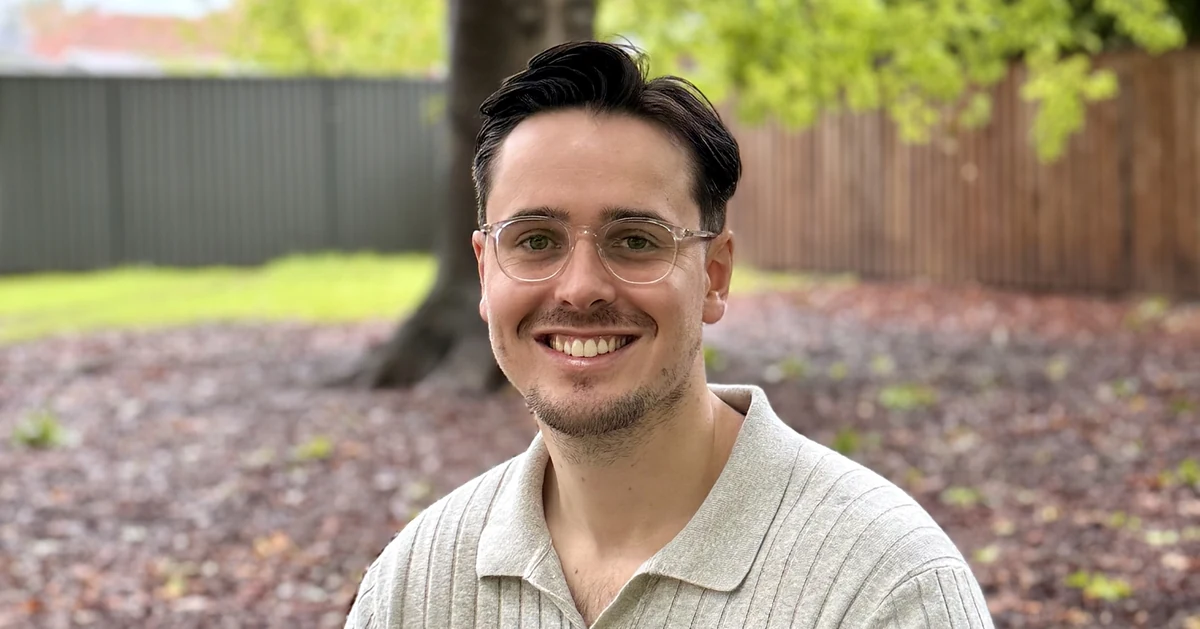
At MindSure Psychology, I'm James Wightman, a registered psychologist providing trauma and PTSD treatment to adults across the Central Coast, including Erina, Terrigal, Woy Woy, Wyoming, Kariong, Narara, and surrounding suburbs. Sessions are available in-person in Gosford, at our Hornsby location, or via telehealth anywhere in Australia.
I support adults of all genders with trauma-related difficulties. For men in particular, safety, trust, and a steady pace are often essential. You can read more about my approach on the Male Psychologist on the Central Coast page.
Ready to start? You can book online, or view Fees & Rebates for Medicare rebate information.

Trauma therapy is paced, not pushed. The first sessions focus on safety, stability, and understanding how trauma is affecting you, not on reliving what happened. Processing work only begins when you're ready, and you stay in control throughout.
Check availability →Why trauma often persists long after the event
Trauma isn't just a difficult memory. It's a pattern that becomes held in the nervous system, reinforced by how the brain and body learned to survive. Four things tend to keep it stuck:
- 1The nervous system stays in survival modeThe body's alarm system (the amygdala) becomes tuned to detect threat, and stays there. Tension, sleep disruption, and hypervigilance become the default, even when you're safe.
- 2Trauma memories store differentlyUnlike ordinary memories, trauma memories can feel fragmented, timeless, or stuck in the present. That's why a smell, a sound, or a feeling can pull you right back in.
- 3Avoidance feels protective, but prevents resolutionSteering around reminders offers short-term relief, but stops the brain from updating the memory to "past" rather than "present danger".
- 4Shame and self-blame keep trauma hidden"I should be over this by now." "It wasn't that bad." These thoughts are incredibly common, and they're exactly what keeps trauma unspoken and unresolved.
Therapy works by gently reversing these patterns, helping the nervous system relearn safety, and the brain store the memory as something that belongs in the past.
How trauma actually shows up
Responses to trauma vary enormously. Common experiences include:
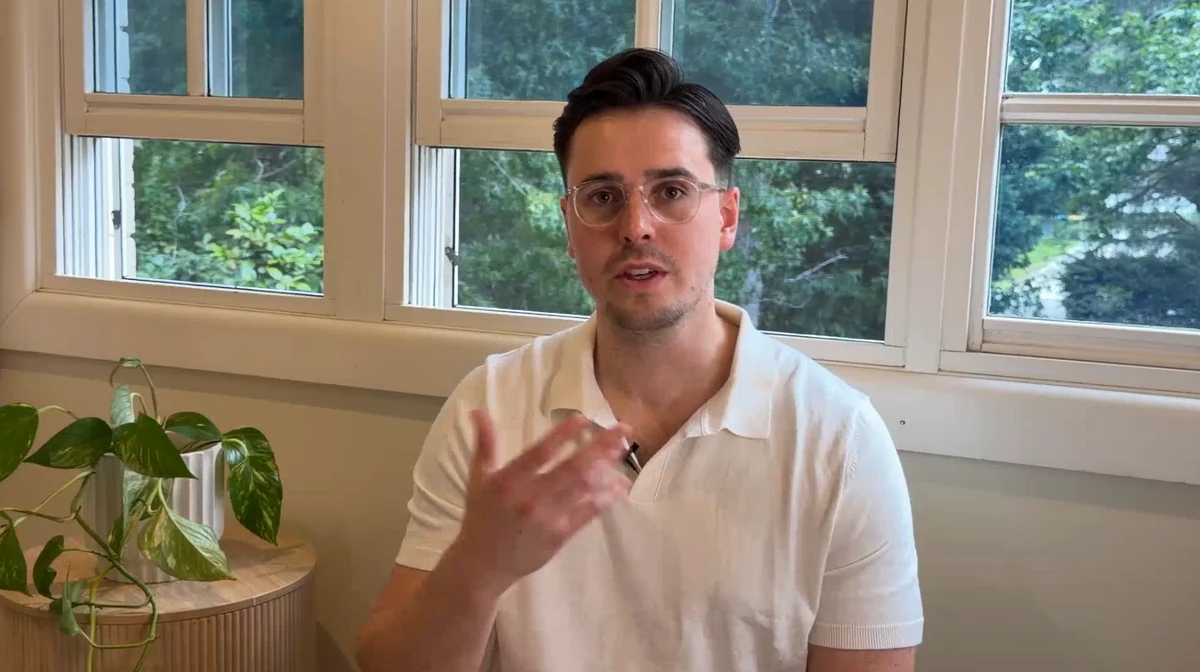
While not specific to trauma, this video introduces my approach to therapy and what to expect in sessions.
- Stabilisation skills come first, always
- You decide what to share, and when
- Every session ends grounded, not triggered
- You can pause or stop processing work at any time
Warm, evidence-based, carefully paced
I'm the Principal Psychologist and Clinical Psychology Registrar providing trauma and PTSD therapy for adults on the Central Coast and in Hornsby. My approach is warm, collaborative, and grounded in what the research supports, focused on helping you build real safety and move forward at a pace your nervous system can actually tolerate.
For trauma work in particular, I prioritise stabilisation, choice, and informed consent. Processing-based work (such as EMDR or trauma-focused CBT) only begins when we've built enough steadiness together, and you remain in control of what, when, and how we approach anything.
I've worked across Queensland Health, Aurora Healthcare, Griffith University Psychology Clinic, and private practice in Sydney, the Gold Coast, and the Central Coast.
I work with trauma from recent events, long-past experiences, complex/developmental trauma, and trauma layered with other difficulties.
Learn more about my background & approach →Four things people ask before starting trauma therapy
Answered directly, so you know exactly what you're walking into.
The different shapes trauma takes
Trauma isn't one thing. Different experiences and timelines call for different approaches, so treatment is always tailored to what you've lived through and how it's affecting you now. Tap any area to learn more.
Single-incident trauma
Trauma from a specific event: a car or workplace accident, assault, natural disaster, or sudden loss. Symptoms may appear immediately or months later, and can feel confusingly out of proportion to daily life.
- Accidents
- Assault
- Natural disasters
- Sudden loss
Complex & childhood trauma
Trauma from repeated or prolonged experiences, often during childhood: emotional neglect, unpredictable caregivers, chronic family conflict, or abuse. Can shape how you relate to others, trust, and feel safe in the world as an adult.
- Childhood neglect
- Attachment wounds
- Chronic instability
- Abuse histories
Relational & interpersonal trauma
Trauma from intimate partner violence, coercive control, betrayal, or the breakdown of a key relationship. Often leaves lasting impacts on trust, self-worth, and the ability to feel safe in closeness.
- Intimate partner violence
- Coercive control
- Betrayal
- Attachment ruptures
Medical trauma
Trauma from serious illness, emergency treatment, surgery, ICU stays, or frightening medical procedures. Can leave a lasting fear of hospitals, health anxiety, or a body that braces whenever something medical comes up.
- Emergency treatment
- ICU experience
- Frightening procedures
- Health-related fear
Birth & perinatal trauma
Trauma from a difficult birth, emergency intervention, NICU experience, or perinatal loss. Can affect bonding, sleep, and confidence around future pregnancies, often silenced by "at least everyone's healthy" messaging.
- Difficult or emergency birth
- NICU experience
- Perinatal loss
- Postnatal distress
First responder, emergency & military trauma
Trauma from emergency services, first responder, or military roles: cumulative exposure to distressing incidents, critical events, or prolonged operational stress. Often intertwined with identity, workplace culture, and reluctance to seek support.
- Cumulative exposure
- Critical incidents
- Operational stress
- Moral injury
Workplace trauma & bullying
Trauma from sustained workplace harassment, bullying, a serious workplace incident, or a hostile professional environment. Can leave lasting impacts on confidence, identity, and the ability to return to work.
- Sustained bullying
- Hostile environments
- Workplace incidents
- Return-to-work anxiety
Grief & traumatic loss
Loss that sits alongside or blends into trauma: sudden death, suicide loss, traumatic circumstances of loss, or complicated bereavement. Grief isn't the same as trauma, but the two often overlap, especially when the death felt shocking or preventable.
- Sudden death
- Suicide loss
- Traumatic circumstances
- Complicated grief
Vicarious & secondary trauma
Trauma from ongoing exposure to others' trauma, common for clinicians, carers, teachers, support workers, legal professionals, and family members supporting a loved one. The cost of caring adds up, often invisibly.
- Clinical & caring roles
- Support workers
- Family carers
- Compassion fatigue
Not sure what kind, or a mix
It's extremely common to recognise parts of several, or to feel unsure whether what you've experienced "counts" at all. The first session is about making sense of it together, without needing to label or explain it perfectly. You don't need a diagnosis to start.
Trauma is one of the most treatable mental health conditions
Decades of research support EMDR and trauma-focused CBT as first-line treatments for PTSD and post-traumatic stress. Most people notice meaningful improvement well within the recommended course of treatment, even for long-standing or complex trauma.
EMDR Therapy
Eye Movement Desensitisation and Reprocessing uses bilateral stimulation to help the brain reprocess trauma memories so they feel less vivid, less intrusive, and genuinely in the past. Detailed verbal recounting isn't required. For session details and booking, see EMDR therapy on the Central Coast. Read more →
Trauma-Focused CBT
Helps you understand how trauma has shaped beliefs, reactions, and patterns, and builds skills to reduce distress and restore a sense of control. Often combined with ACT for meaning-making and rebuilding identity.
Three phases of trauma recovery
Trauma therapy unfolds in phases, not a straight line. Most people move back and forth as needed, and there's no time pressure to reach the next phase. The work is always paced to where your nervous system actually is.
- Psychoeducation about trauma responses
- Grounding and nervous-system regulation
- Building coping skills and daily stability
- Establishing safety in the therapy relationship
- EMDR reprocessing (when suitable)
- Trauma-focused CBT techniques
- Gradual, paced, and collaborative
- You remain in control throughout
- Rebuilding identity and self-trust
- Reconnecting with relationships and values
- Values-based direction (ACT)
- Consolidating change so it lasts
These phases aren't strict or rushed. Many people cycle through them more than once, or need to return to stabilisation briefly during processing work. The pace is always yours.
The first session, and how you'll know it's working
Clear, honest answers, so you know what you're walking into and what changes to look for over time.
What actually happens
The first session focuses on understanding, not re-telling. You won't be asked to describe details of what happened unless you want to. Together we'll usually cover:
- What's bringing you in now: what's changed or reached a limit
- How trauma shows up in your life: body, thoughts, behaviour, relationships
- What safety and stability look like for you currently
- What you want to be different: in practical, real-world terms
- A personalised treatment plan: including pacing and approach
Many people report simply feeling understood by the end of the first session, and often leave with one or two grounding strategies to start using straight away.
How to tell therapy is working
Recovery isn't a single moment. It's a set of shifts that usually emerge gradually:
- Your body settles more often: less tension, better sleep
- Memories feel less vivid, less intrusive, less "present tense"
- Triggers lose their grip: you recover faster when activated
- Avoidance reduces: you're reclaiming parts of life that had shrunk
- Relationships feel easier: more trust, less guarded
- You feel more like yourself, or perhaps a newer version of you
- Decisions come from values rather than fear
Recovery doesn't mean forgetting. It means the past stops running the present.
A gentle reflection: which phase feels closest?
Trauma recovery is rarely linear. Tap whichever description feels most like where you are today. There's no right answer and nothing is saved; it's just a way of noticing.
Building steady ground comes first
If daily life feels chaotic, overwhelming, or reactive, you're not "behind". This is where good trauma therapy starts: building nervous-system regulation skills, safety, and day-to-day steadiness. Processing-based work isn't attempted here. The goal is simply: less overwhelm, more steadiness.
You may be ready for processing work
When stability is in place but the memory still hijacks you when triggered, that's often when processing-based approaches shine, particularly EMDR and trauma-focused CBT. Many people are surprised how much can shift once the memory gets properly "filed away" in the brain.
Rebuilding is its own kind of work
The hardest part may be behind you, but the question of "who am I now?" is genuine, and often the most rewarding phase to do with support. Integration work focuses on identity, relationships, values, and direction. Meaning-making after trauma is a skill, not something that just happens on its own.
Recovery isn't linear, and it's not always clear
Most people move between phases, and many don't recognise where they are until working with someone. The first session is specifically designed to map this together, without needing to have it figured out beforehand. You don't need to know which phase you're in to start.
Supporting adults across the Central Coast
MindSure Psychology is based in Gosford CBD (Suite 112, 159 Mann St, inside John's Place), a short drive for most of the Central Coast and walkable from Gosford train station.
I regularly see adults travelling in from nearby suburbs, including:
In-person or telehealth, whatever fits
If you're within a short drive of Gosford, sessions are available in person or via telehealth. Appointments include daytime and evening times to suit work and family commitments.
Gosford hours: Wed–Fri 11:30am–7:30pm
In-person sessions are also available at our Hornsby location, supporting adults from Wahroonga, Waitara, Asquith, Normanhurst, Thornleigh, and Berowra.
Telehealth available anywhere in Australia
Often a good fit for trauma work: familiar environment, no commute, and you can stay in your own regulated space. Particularly practical if you're supporting a young family, working long hours, or prefer the privacy.
Transparent pricing
$138.45 per session
Out-of-pocket cost with a Medicare rebate
Full session fee is $240 per 50-minute appointment. A Medicare rebate of $101.55 applies with a GP Mental Health Treatment Plan.
Common questions about trauma therapy
Quick answers to what people most commonly ask before starting.
Will I have to recount exactly what happened?⌃
No. Detailed re-telling is not required. Modern trauma approaches, particularly EMDR, can help process trauma without a narrative account. You share only what you're comfortable sharing, and the pacing is yours throughout.
How long does trauma therapy usually take?⌃
It depends on the type of trauma and how long-standing it is. Single-incident trauma often responds within 8–16 sessions. Complex or developmental trauma usually takes longer because of the stabilisation phase. We review progress regularly and adjust together. There's no one-size-fits-all timeline.
Can EMDR help if I don't remember everything?⌃
Yes. Fragmented or partial memory is common with trauma, and EMDR doesn't require a full or detailed account to work. The brain works with what's accessible (including body sensations, images, or emotional "snapshots") and reprocessing can still occur.
What if what I went through wasn't "violent"? Is it still trauma?⌃
Trauma is defined by how your nervous system responded, not by event severity. Emotional neglect, ongoing unpredictability, relationship ruptures, medical experiences, and chronic stress can all create trauma responses. If your body is still reacting, your experience counts.
What is the difference between PTSD and complex PTSD?⌃
Both share the core features of PTSD: re-experiencing the trauma, avoiding reminders, and a lasting sense of being on guard. Complex PTSD, recognised in the World Health Organization's ICD-11, usually develops after repeated or prolonged trauma, such as childhood abuse, neglect, or ongoing domestic violence. It adds lasting difficulties with managing emotions, a harsh or negative sense of self, and trouble feeling safe in relationships. Both are treatable, though complex trauma is usually worked with more gradually, beginning with safety and stabilisation. You can read more about complex PTSD and trauma.
What if memories feel too overwhelming to approach?⌃
That's exactly why trauma therapy starts with the stabilisation phase: building nervous-system regulation, grounding, and steadiness before any processing work begins. Many people never enter the "overwhelming" territory they feared. If something feels like too much, we slow down.
Do I need a GP referral?⌃
No. You can book directly without one. If you want Medicare rebates, you'll usually need a GP appointment for a Mental Health Treatment Plan, but many people start therapy first and organise that afterwards.
Does my Mental Health Treatment Plan expire?⌃
No. Your Mental Health Treatment Plan doesn't expire, so you can start using it at any time, even if it was written a while ago. Medicare rebates are capped at 10 sessions per calendar year, and the cap resets each January. You can read more on healthdirect.
My MHTP is addressed to another psychologist. Is that okay?⌃
Yes. In most cases, you can still use a valid GP Mental Health Treatment Plan even if it's addressed to a different psychologist. As long as the referral is current and you consent to seeing a different provider, Medicare rebates are usually still available.
Is trauma therapy confidential?⌃
Yes, with standard limits (such as immediate risk of harm, child safety, or legal requirements). Records are stored securely in line with Australian Privacy Principles.
Have a question that isn't covered here? See our full FAQs.

MindSure Psychology is a proud community partner and sponsor of local sporting clubs.



Ready to start trauma therapy?
It's completely normal to feel unsure about starting; we'll take it at your pace, and you don't need to have anything figured out before the first session.