


Quick answer
For many adults, recognising autism doesn't happen in childhood; it happens in their twenties, thirties, forties, or later, often after years of feeling subtly different without knowing why.
Late identification can bring relief, clarity, and a new framework for understanding lifelong patterns. You don't need a formal diagnosis to start exploring whether autism fits your experience, and you don't need to be certain before reaching out for support.
If you'd like to learn more about therapeutic support, you can read about autism support at MindSure Psychology.
Why autism often gets missed in adulthood
For decades, autism was understood through a narrow lens, usually based on how it presented in young boys with very visible support needs. Many adults who grew up before the criteria broadened were never considered, even when the signs were there.
Instead, they were often described as:
- shy, sensitive, or intense
- "in their own world"
- too literal, too direct, or too blunt
- too quiet, or too talkative on specific subjects
- "too much" or "not enough" depending on the situation
These descriptions often stuck without anyone asking why those patterns existed in the first place.
Recognition is happening far more in adulthood now, partly because diagnostic criteria have broadened, and partly because more people are encountering accurate descriptions of autism online and recognising themselves for the first time. A very similar pattern of late recognition happens with ADHD: see ADHD or anxiety in adults.
Common signs adults notice when they look back
Late identification often begins with a moment of recognition rather than a single symptom. People describe reading a description, watching a video, or hearing someone else's experience and thinking, "That's me. That's been me my whole life."
Some of the patterns adults commonly notice include:
- Social interaction has always taken more effort than it seems to take others. Conversations might feel like work: interpreting tone, predicting responses, knowing when to speak, and figuring out unwritten rules that other people seem to absorb effortlessly.
- You've often felt like you were performing. Many late-identified adults describe a sense of "studying" social interaction rather than experiencing it naturally. This is sometimes called masking: adapting your behaviour to seem more neurotypical, often without realising you're doing it.
- Sensory experiences have been more intense than you've let on. Bright lights, loud spaces, certain fabrics, background noise, or specific food textures can be genuinely difficult: not just preferences, but real sources of overwhelm.
- Routines and predictability bring genuine relief. Not as a quirk or a habit, but as something your nervous system actively needs. Unexpected changes can feel disproportionately distressing.
- Conversations feel easier when they're direct or about subjects of deep interest. Small talk can feel exhausting. Specific topics, especially areas of long-standing interest, can feel energising in a way other conversations rarely do.
- You've experienced periods of intense burnout that didn't fit standard patterns. Sometimes called autistic burnout, this is a state of deep exhaustion that often follows long periods of masking, sensory overload, or social demand. It can feel different to typical depression or anxiety.
- Masking has been exhausting in ways you didn't have language for. Many adults describe a lifelong sense of effort that they assumed was normal, only realising in retrospect that other people weren't working as hard to seem fine.
You don't need to relate to all of these. Many late-identified adults relate to some strongly and others not at all. Autism presents differently in everyone.
Why late identification can be such a relief
People often expect recognition to feel destabilising. In practice, it usually feels like the opposite.
Many adults describe it as finally having a framework that explains things. Years of self-criticism start to make more sense. Past difficulties (relationships, jobs, social settings, periods of burnout) become legible in a new way.
It's not that autism becomes a label you carry. It's that you finally have language for experiences you've been navigating alone for decades.
The relief tends to come from understanding rather than from diagnosis itself. Many people report feeling more compassionate toward their younger selves, less critical of their current struggles, and clearer about what kind of support actually helps.
What if I'm not sure?
You don't need to be certain to start exploring this.
Many people begin therapy while still working out whether autism fits their experience. A psychologist familiar with adult autism can help you make sense of what's autistic, what might be ADHD or executive function difficulty (the two often overlap), and what's something else entirely.
You also don't need a formal diagnosis to access therapeutic support. Self-identification is valid, and many adults find that exploring the question is itself useful, whether or not they pursue formal assessment later.
What support actually involves
Therapy for late-identified autistic adults isn't about changing who you are. It's about reducing the things that have been quietly draining you for years.
This often includes:
- understanding your sensory profile and reducing daily overload
- recognising and recovering from autistic burnout
- working with your nervous system rather than against it
- unpacking masking and exploring what authentic expression looks like for you
- building routines, environments, and relationships that genuinely fit how your brain works
The goal isn't to make you more neurotypical. It's to help you live in a way that feels less effortful and more sustainable.
Recognition is often the start of something useful
For many adults, late identification isn't the end of a question; it's the beginning of being able to support themselves differently.
You don't need to label yourself. You don't need certainty. You don't need a formal diagnosis to start.
What matters is whether the framework helps you make sense of your experience and gives you a clearer path forward.
If you'd like to explore neuroaffirming support with a psychologist who works with autistic adults and adults exploring autism, you can read more about autism support on the Central Coast, or book a first appointment when you're ready.
About James
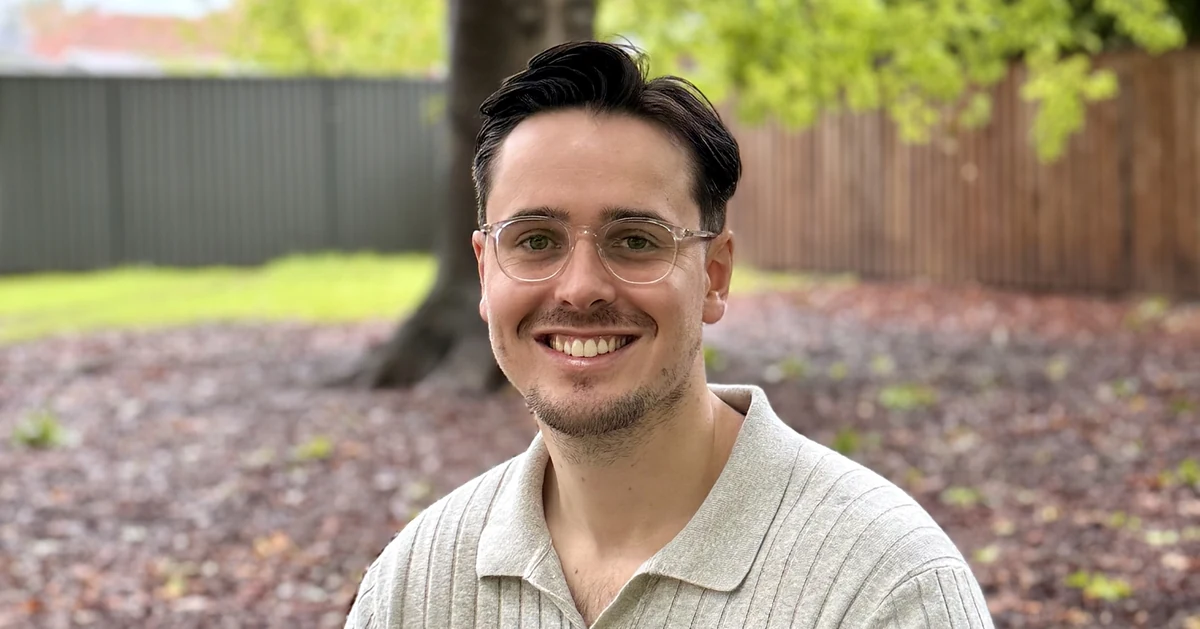
James Wightman is a registered psychologist and clinical psychology registrar based in Gosford on the NSW Central Coast. He works with autistic adults and adults exploring whether autism fits their experience, using a neuroaffirming, strengths-based approach.
Ready to talk to someone?
Evidence-based therapy for adults in Gosford, Hornsby & via telehealth across NSW.
Book an appointment →